Exploring UNESCO’s Newest World Heritage Sites: Preservation Tech and Eco-Travel Guide
Every year, UNESCO’s World Heritage Committee designates the world’s most significant cultural and natural landmarks, adding them to an elite list of protected places. These designations shine a spotlight on historic architecture, ancient archaeological landscapes, and sacred routes that deserve universal preservation.
For travelers, these inscriptions offer a roadmap to culturally rich, less-crowded destinations. This guide highlights newly added cultural heritage sites, the cutting-edge technology protecting them, and actionable tips for visiting responsibly.
Key Highlights: Newly Inscribed Cultural Treasures
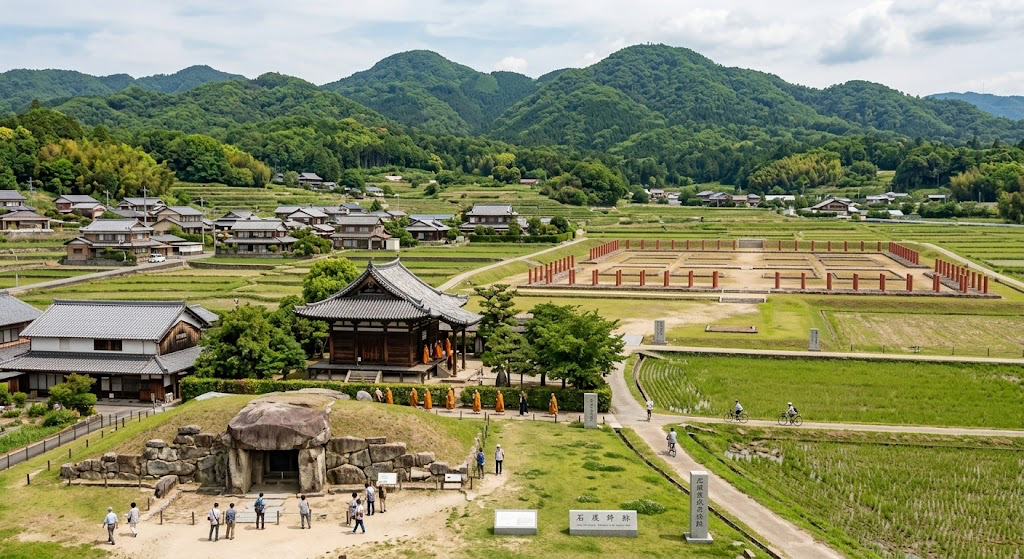
1. Ancient Capitals of Asuka and Fujiwara (Nara, Japan)
Located south of modern Nara, this archaeological landscape captures the foundation of the Japanese state during the 6th and 7th centuries.
- Historical Significance: The site features Japan’s first capital city laid out on a traditional grid system, ancient kofun (burial mounds), and the ruins of Asuka-dera—Japan’s oldest full-scale Buddhist temple.
- Travel Experience: Visitors can rent bicycles near Asuka Station to tour quiet, rural paths winding past active rice paddies and ancient stone monuments.
2. Ancient Buddhist Site of Sarnath (Uttar Pradesh, India)
Situated just outside Varanasi, Sarnath is one of the four essential pilgrimage destinations in Buddhism.
- Historical Significance: This ancient deer park marks the location where Siddhartha Gautama (the Buddha) delivered his first sermon after attaining enlightenment. The complex houses the 143-foot Dhamekh Stupa and the original Lion Capital of Ashoka, which serves as India’s national emblem.
- Travel Experience: It offers a serene, reflective day trip easily accessible via taxi or autorickshaw from central Varanasi.
3. Amazonia Theaters (Belém & Manaus, Brazil)
A cultural landmark celebrating 19th-century architecture deep in the South American rainforest.
- Historical Significance: Encompassing the Teatro Amazonas in Manaus and Theatro da Paz in Belém, these opulent opera houses were built during the height of the Amazonian rubber boom. They feature imported European marble, glass, and steel, symbolizing an era of international trade.
- Travel Experience: Visitors can attend live classical performances or take guided architectural tours in both historic port cities.
How Technology Is Preserving Heritage Sites
Protecting ancient masonry, delicate frescoes, and sprawling ruins against wear and weather requires modern technology. Conservation teams worldwide now rely on advanced digital tools:
- LiDAR Scanning: Airborne lasers penetrate dense vegetation to map hidden ruins and structural foundations without physical excavation.
- 3D Digital Twins: High-resolution photogrammetry generates sub-millimeter 3D replicas of fragile monuments, allowing researchers to track micro-cracks over time.
- IoT Micro-Sensors: Real-time environmental sensors monitor humidity, air quality, and foot-traffic strain to help site directors manage daily entry limits automatically.
Eco-Travel Framework: Visiting Responsibly
When a site gains World Heritage status, tourism interest increases significantly. To ensure your trip supports local communities without degrading protected landmarks, apply these sustainable habits:
- Travel During Shoulder Months: Visit open-air ruins and historic cities during off-peak seasons (early spring or late autumn) to help distribute foot traffic and reduce congestion.
- Book Local Guides: Direct your travel budget into the surrounding community by hiring certified local guides who provide authentic historical context.
- Respect Preservation Rules: Remain on designated walking paths, avoid touching historic masonry or artwork (as skin oils accelerate erosion), and pack out all trash.
- Utilize Low-Impact Transit: Rely on regional rail networks, public electric shuttles, or bicycle rentals to minimize emissions around protected zones.
Planning Your Visit
When organizing a trip to a newly inscribed site, check official park or museum websites in advance to review updated ticketing policies, daily visitor caps, and transportation options. Booking entries ahead of time ensures a smooth experience while supporting regulated site management.
Related Post