Work from Anywhere: 8 Top Destinations for Digital Nomads and Remote Professionals

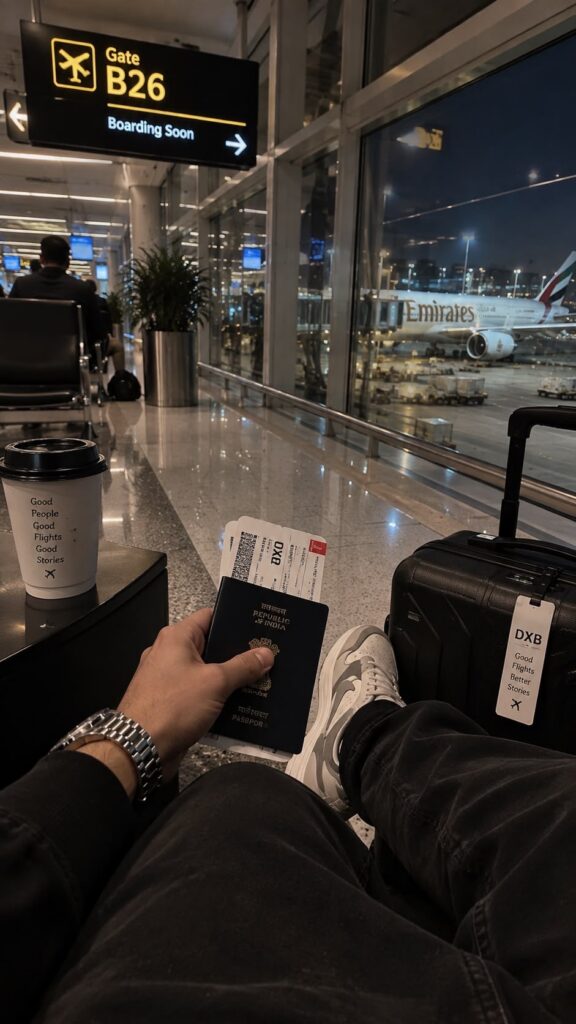
Imagine starting your workday in a quiet café, finishing a few video calls before lunch, and spending the afternoon exploring a new city. For remote workers, freelancers, and digital nomads, this kind of lifestyle offers an appealing way to combine professional responsibilities with travel.
But working remotely from another city is not quite the same as taking a vacation. You need dependable internet, comfortable accommodation, a manageable budget, and a place where you can focus when deadlines approach.
The best cities for remote work travel offer more than beautiful scenery. They provide a practical balance between productivity, everyday convenience, local culture, and opportunities to explore outside working hours.
Whether you want an affordable base in Southeast Asia, a European city filled with history, or a lively destination closer to North American time zones, there are plenty of options to consider.
In this guide, we explore eight cities worth considering for remote work travel, including their main advantages, potential drawbacks, and the type of traveler who may enjoy each destination most.
What Makes a City Great for Remote Work Travel?
Before choosing a destination, think about what your working day will actually look like. A city that feels perfect for a holiday may not be the best place to spend several hours on calls or meet important deadlines.
Here are the factors worth considering.
- Internet reliability: Look for accommodation with a dependable connection and a backup option for important calls.
- Cost of living: Compare accommodation, food, transport, coworking memberships, and everyday expenses rather than looking only at restaurant prices.
- Work-friendly spaces: Coworking offices, libraries, and suitable cafés can provide alternatives when working from your accommodation becomes difficult.
- Time Zone Alignment: Make sure the local time works with your employer, clients, or collaborators.
- Lifestyle: Consider the climate, food, transport, outdoor activities, and social opportunities that matter to you.
- Visa & Legal Entry: Check the requirements for your nationality and intended length of stay before booking a trip.
There is no single best city for every remote worker. The right choice depends on your budget, schedule, travel preferences, and legal ability to work while staying abroad.
1. Chiang Mai, Thailand —The Ultimate Budget-Friendly Nomad Hub

Chiang Mai has become a familiar destination for digital nomads who want a relaxed lifestyle, a strong café culture, and access to outdoor activities.
Located in northern Thailand, the city combines historic temples and traditional markets with modern shopping areas, restaurants, and coworking spaces. The Nimman area is particularly popular among people looking for cafés, apartments, and places to work outside their accommodation.
Why remote workers may enjoy Chiang Mai
One of Chiang Mai’s main attractions is the variety of ways to spend your free time. You can explore local food markets, visit temples, take weekend trips into the surrounding mountains, or enjoy a slower routine than you might find in a much larger city.
Food and accommodation choices span a range of budgets, making it possible to plan a stay according to your spending limits.
The city also has an established international remote-work community, which can make it easier to meet other freelancers and independent professionals.
What to consider before visiting
Air quality can become a serious concern during northern Thailand’s seasonal burning periods. Conditions vary, so check current air-quality information before choosing your travel dates.
Internet quality can also vary between apartments and cafés. If your job depends on video calls, test the connection and identify a backup workspace.
Best for: Freelancers, solo travelers, and remote workers seeking a balance of affordability, community, and everyday convenience.
2. Bangkok, Thailand — High-Energy City Living & Seamless Amenities
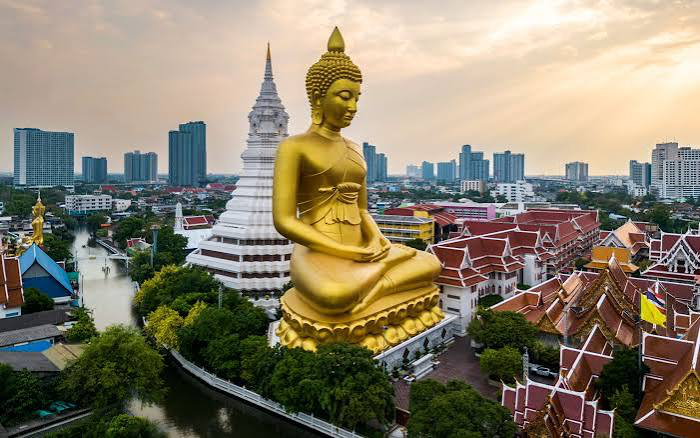
If you prefer a fast-moving city with extensive amenities, Bangkok may be a better fit than Chiang Mai.
Thailand’s capital offers shopping centers, international restaurants, public transport, modern apartment buildings, coworking offices, and a wide variety of entertainment. It can be particularly convenient for people who want the comforts of a major city while working remotely.
Why remote workers may enjoy Bangkok
Bangkok offers plenty of options for daily life. You can work from a dedicated office, meet clients in a professional setting, or choose an apartment with space for a home office.
The city’s food scene is another major attraction, ranging from inexpensive local meals to international dining. Public transport can make many journeys easier, particularly if you choose accommodation close to a train station.
Its time zone also works well for professionals collaborating with teams elsewhere in Asia.
What to consider before visiting
Traffic congestion, heat, and humidity can make daily travel tiring. Accommodation near your preferred workspace can save time and reduce transportation costs.
Bangkok may also become more expensive than expected if you choose premium accommodation, frequent international dining, and paid coworking memberships.
Best for: Professionals who value urban amenities, convenient services, and access to a broad range of workspaces.
3. Kuala Lumpur, Malaysia — Modern Infrastructure Meets Cultural Diversity

Kuala Lumpur is worth considering if you want a major Southeast Asian city with modern infrastructure, a diverse food scene, and a wide selection of accommodation.
Malaysia’s capital combines contemporary skyscrapers with historic neighborhoods, shopping districts, parks, and cultural attractions. English is commonly used in many business and hospitality settings, although language experiences vary by location.
Why remote workers may enjoy Kuala Lumpur
The city offers a range of apartments, serviced residences, cafés, and coworking facilities. This makes it possible to compare different working arrangements instead of relying on a single type of workspace.
Kuala Lumpur is also known for its multicultural food scene, with Malay, Chinese, Indian, and international influences. Public transport serves many important areas, although the convenience of your daily routine depends on where you stay.
For remote workers who enjoy city life but want a different atmosphere from Bangkok, Kuala Lumpur offers another useful option.
What to consider before visiting
The city can be spread out, and not every neighborhood is equally convenient for walking or public transport. Check the distance between your accommodation, grocery stores, and workspace before committing to a longer rental.
Also, verify the visa conditions that apply to your nationality and employment arrangement. Permission to enter Malaysia as a visitor should not automatically be treated as permission to work remotely.
Best for: Remote employees and freelancers who prioritize everyday convenience, varied food options, and modern city amenities.
4. Lisbon, Portugal — Historic European Charms & Vibrant Coastal Life

Lisbon is an attractive option for remote workers who want a European base with historic architecture, waterfront views, lively neighborhoods, and access to Portugal’s broader travel network.
The Portuguese capital offers a distinctive mix of traditional streets, contemporary restaurants, cultural attractions, and public spaces. Its cafés and coworking offices also provide alternatives for people who do not want to work from their accommodation every day.
Why remote workers may enjoy Lisbon
Lisbon can appeal to people who enjoy walking through historic neighborhoods, visiting museums, discovering independent shops, and spending time outdoors after work.
Portugal also offers a range of immigration pathways for eligible foreign workers, including routes relevant to remote employment. Requirements depend on the specific permit, applicant circumstances, and current rules.
For eligible travelers planning a longer stay, researching the appropriate route through official Portuguese immigration or consular resources is an important first step.
What to consider before visiting
Accommodation can be a major expense, especially in popular neighborhoods and during busy travel periods. A realistic budget should account for rent, utilities, transport, food, and coworking fees.
Lisbon’s hills and cobblestone streets can also make some everyday journeys more demanding than they appear on a map.
Best for: Remote professionals who value European culture, walkable neighborhoods, and a lively international environment.
5. Mexico City, Mexico — World-Class Culture in a North American Time Zone

Mexico City offers a combination of world-class museums, historic neighborhoods, contemporary restaurants, parks, and a thriving cultural scene.
For remote workers collaborating with colleagues in the United States, its time zone can be convenient, depending on the city where their team is based and the time of year.
Why remote workers may enjoy Mexico City
Neighborhoods such as Roma and Condesa are popular with visitors who appreciate cafés, restaurants, green spaces, and walkable streets.
The city also provides opportunities to explore Mexican history, architecture, art, and food without needing to travel far from your everyday base.
For someone who wants a culturally rich city rather than a beach destination, Mexico City offers plenty to discover during evenings and weekends.
What to consider before visiting
Mexico City is enormous, and travel times can be unpredictable. Choosing accommodation near your workspace and the places you visit regularly can make a meaningful difference to your routine.
Altitude, air quality, and neighborhood-specific safety conditions are also worth considering. Research your accommodation area and use appropriate transport and personal safety precautions.
Immigration permission and remote-work arrangements should be checked carefully, especially for extended stays. Entry conditions vary by nationality, and a permitted visit does not necessarily settle every question about working or tax obligations.
Best for: Remote workers who enjoy culture, food, city exploration, and working with teams in North American time zones.
6. Medellín, Colombia — Best for Mild Weather and an Outdoor Lifestyle
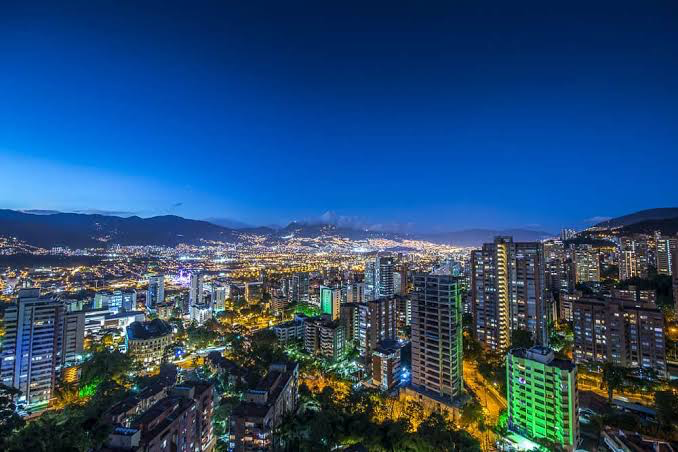
Medellín sits in a valley in Colombia’s Andes and is often associated with its mild climate, green surroundings, and distinctive neighborhoods.
The city has public transport, cafés, coworking facilities, and a growing international community. Its combination of urban amenities and access to outdoor activities can appeal to remote workers who want variety outside working hours.
Why remote workers may enjoy Medellín
The climate is often more moderate than that of many tropical destinations, although rain and temperatures vary throughout the year.
Visitors can explore local markets, parks, museums, and nearby towns. The Metro and Metrocable systems also provide useful connections across parts of the city.
For people who enjoy meeting other travelers and independent professionals, Medellín has an established remote-work scene.
What to consider before visiting
Safety conditions vary by neighborhood and circumstance. Research where you plan to stay, take care with valuables, and use trusted transport options.
Spanish is valuable for navigating daily life, communicating beyond international visitor areas, and building local connections.
Before planning an extended stay, verify current visa requirements, any relevant remote-work authorization, and the tax rules that may apply to your circumstances.
Best for: Remote workers who enjoy mild weather, an active social environment, and opportunities to explore nature around a major city.
7. Taipei, Taiwan — Unmatched Efficiency, Safety, and Tech Infrastructure
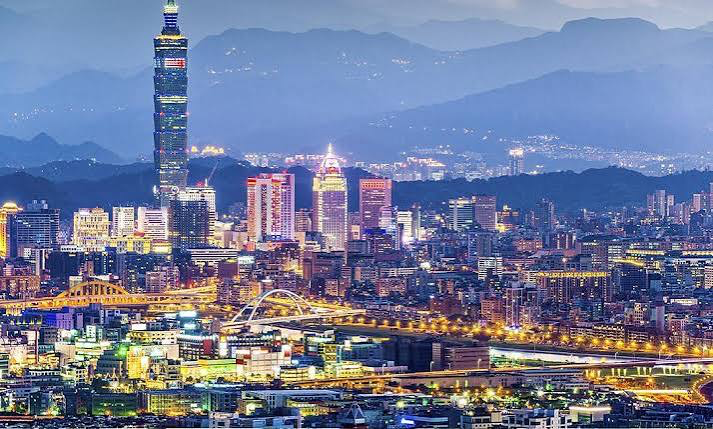
Taipei is an appealing choice for remote workers who value efficient public transport, a well-known food culture, and a mix of contemporary city life and traditional attractions.
Taiwan’s capital offers night markets, cafés, museums, shopping districts, parks, and access to hiking areas. The city’s public transport network can also make it easier to explore without relying on a car.
Why remote workers may enjoy Taipei
Daily life can be convenient when you stay near a metro station and choose accommodation with a suitable working environment.
The city is known for its food culture, including noodle shops, dumplings, tea shops, and night-market snacks. After work, you can explore different neighborhoods or take short trips to nearby scenic areas.
Taipei may be especially appealing to travelers who want an Asian city experience with an organized urban transport system.
What to consider before visiting
Accommodation costs depend heavily on location, size, and the length of your stay. You should compare the total monthly cost rather than assuming that every Asian destination will be inexpensive.
Weather can also be hot and humid, with periods of heavy rain and typhoon-related disruption.
Visa and work eligibility depend on nationality and individual circumstances. Research the relevant Taiwanese immigration rules before booking a long stay.
Best for: Remote professionals who appreciate efficient transport, urban convenience, food culture, and access to outdoor excursions.
8. Bali, Indonesia — Tropical Wellness & Island Lifestyle

Bali attracts travelers who want to combine remote work with beaches, green landscapes, wellness activities, and a strong international visitor community.
Areas such as Canggu and Ubud appeal to different lifestyles. Canggu has a lively café and social scene, while Ubud is known for its greenery, arts, and wellness-oriented atmosphere.
Why remote workers may enjoy Bali
Bali offers plenty of opportunities to spend free time outdoors, discover local culture, and meet other international travelers.
Coworking spaces and work-friendly cafés are available in established visitor areas. Depending on your location, you may also find accommodation with a dedicated desk or shared office facilities.
For people who want a change of scenery from a conventional city environment, Bali can offer a different daily rhythm.
What to consider before visiting
Internet reliability, road conditions, and travel times can vary significantly between areas. A property that looks close to a coworking space on a map may still involve a difficult journey in traffic.
Popular neighborhoods can also be more expensive than expected. Consider the full cost of accommodation, transport, food, and workspace access.
Most importantly, check Indonesian immigration rules carefully. A tourist entry permission should not automatically be assumed to authorize remote work. Confirm which visa or permit, if any, fits your circumstances and intended activities.
Best for: Remote workers who enjoy outdoor activities, wellness, a tropical environment, and a social international community.
Quick Comparison: Which City Fits Your Working Style?
The following comparison focuses on the general character of each destination rather than assigning precise cost or internet scores that can vary by neighborhood and property.
| City | Best suited to | Main consideration |
| Chiang Mai | Budget-conscious remote workers | Seasonal air quality |
| Bangkok | Urban convenience | Traffic and heat |
| Kuala Lumpur | Modern amenities | Choosing a convenient neighborhood |
| Lisbon | European culture | Accommodation costs |
| Mexico City | Culture and North American time zones | Traffic and neighborhood selection |
| Medellín | Mild weather and outdoor activities | Safety and Spanish-language skills |
| Taipei | Efficient city living | Accommodation and weather |
| Bali | Tropical lifestyle | Transport, connectivity, and visa rules |
How to Choose the Right City for Your Budget
A destination that looks affordable on social media may not fit your actual spending needs. Before booking a long stay, build a realistic monthly budget.
Include the following expenses:
Accommodation: Compare the full rental cost, including utilities, cleaning charges, deposits, and any minimum-stay requirements.
Food and groceries: Estimate the cost of eating at home, buying local meals, and occasionally visiting restaurants.
Workspace: Check whether you need a coworking membership or whether your accommodation offers a suitable desk and reliable connection.
Transport: Include public transport, taxis, ride-hailing services, and trips between your accommodation and work locations.
Travel insurance and healthcare: Check your policy carefully to understand the coverage, exclusions, and conditions that apply to your trip.
Visa and administrative costs: Include application fees and any required documentation, while checking the rules that apply to your nationality.
Emergency savings: Set aside money for unexpected travel changes, medical expenses, or an urgent need to move accommodation.
You should also account for the cost of maintaining your home and other financial commitments while traveling. A realistic budget is more useful than choosing a destination based only on inexpensive meals or attractive rental listings.
Essential Tips for Working Remotely While Traveling
Even a well-chosen destination can become difficult if you do not prepare for the practical side of remote work.
Test Your Internet Before You Commit
Ask accommodation providers for recent details about their connection and whether you can work from the property.
If your job involves frequent video calls, test the connection when possible. Identify a coworking office or another backup location before you need it.
A mobile data plan can also be useful, provided you confirm coverage and any restrictions that apply to your device or plan.
Choose Accommodation Around Your Workday
A beautiful apartment is not necessarily a good workspace. Look for a comfortable chair, a suitable desk, enough lighting, and a quiet environment.
If you work with clients or colleagues across several time zones, consider whether you can take calls without disturbing other people or compromising your own rest.
Check Your Visa and Work Permissions
Immigration rules differ by country, nationality, employment arrangement, and length of stay.
Some destinations offer dedicated pathways for eligible remote workers. Others have more limited rules, and ordinary visitor permission may not authorize the activities you intend to undertake.
Use official government or embassy sources to verify your eligibility. Also consider tax residence, employer requirements, insurance, and any professional restrictions that may apply.
Keep a Sustainable Work-Life Routine
Travel can make it tempting to explore all day and work late at night. Over time, this may lead to fatigue and missed deadlines.
Set working hours, schedule breaks, and leave time for activities outside your job. A repeatable routine can make remote work travel more enjoyable and help you get more from your destination.
Travel Respectfully
Remember that remote work destinations are also home to local communities.
Learn basic local customs, respect residential neighborhoods, use resources responsibly, and support local businesses where possible. When choosing longer-term accommodation, consider how your stay fits into the local housing market and community.
Frequently Asked Questions
What is the best city for remote work travel?
There is no single best city for everyone. Chiang Mai may suit budget-conscious travelers, Lisbon may appeal to people who prefer European city life, and Mexico City can be convenient for some North American work schedules. Your budget, time zone, visa eligibility, and preferred lifestyle should guide the decision.
Which cities are good for remote work on a budget?
Chiang Mai and Kuala Lumpur are worth comparing if you are considering Southeast Asia. However, actual costs depend on your accommodation, lifestyle, and travel dates. Prepare a complete monthly budget before making a decision.
Do I need a digital nomad visa to work remotely abroad?
It depends on the destination, your nationality, your work arrangement, and the activities you intend to perform. Some countries offer specific remote-work visas, while other rules may apply to shorter stays. Do not assume that ordinary tourist entry permission automatically authorizes remote work.
How can I find accommodation with reliable Wi-Fi?
Look for recent reviews that mention internet performance, ask the host about the connection and workspace, and confirm whether you can test it before committing to a long stay. For important meetings, have a backup connection or workspace available.
Is remote work travel suitable for beginners?
It can be, particularly if you start with a shorter trip to a destination where you understand the language, transport, accommodation options, and entry requirements. A trial stay can help you learn what you need before committing to several months abroad.
Final Thoughts
The best cities for remote work travel are not necessarily the most famous or the most photogenic. They are the places where you can do your job reliably while enjoying a lifestyle that suits your needs.
Chiang Mai and Bangkok offer different experiences in Thailand, while Kuala Lumpur provides another practical Southeast Asian option. Lisbon brings European culture, Mexico City offers a rich urban experience, Medellín combines city life with access to nature, Taipei provides efficient urban living, and Bali appeals to travelers seeking a tropical environment.
Before choosing your next destination, compare the full cost of living, check your work schedule, confirm your immigration requirements, and make sure you have a dependable workspace.
With thoughtful planning, remote work travel can become more than a change of scenery. It can be a way to explore new places while maintaining a productive and sustainable working routine.
Related Post