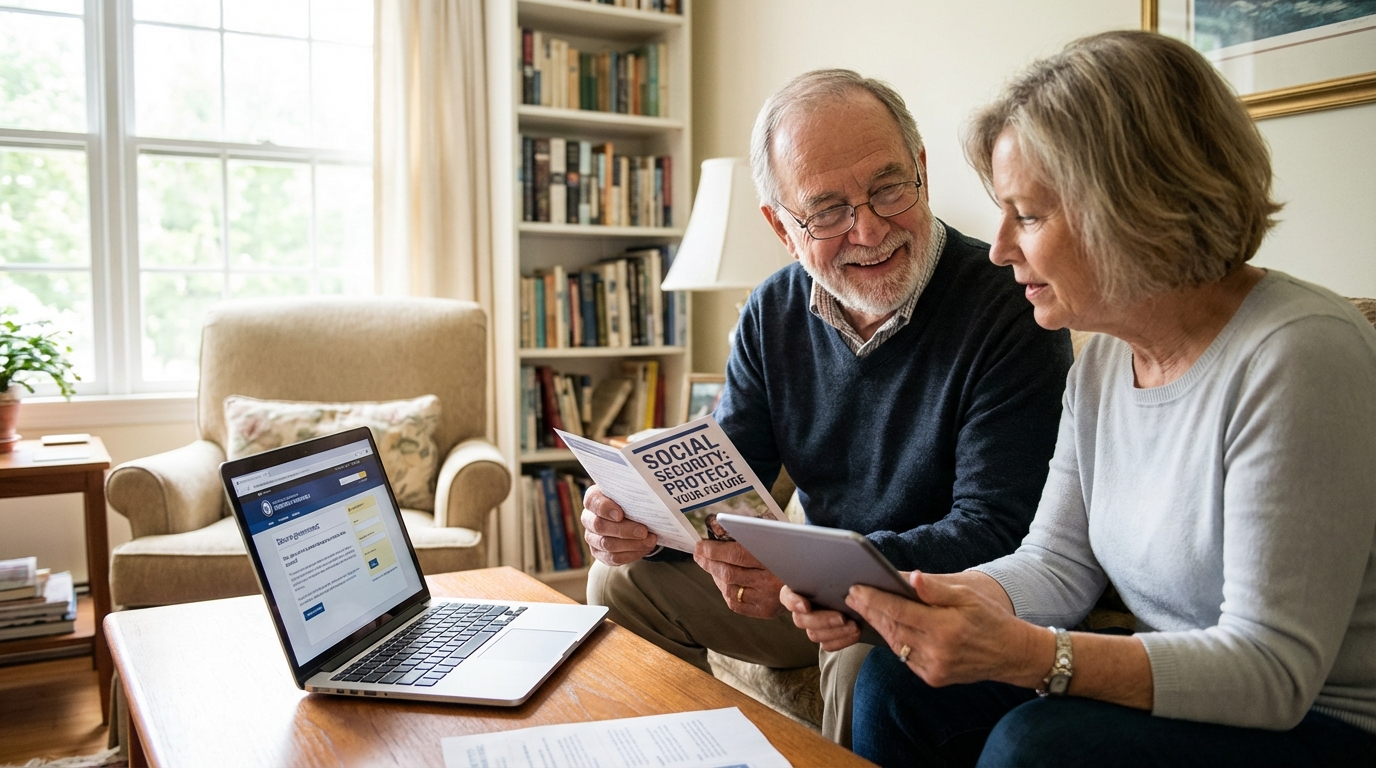
Imagine checking your bank account only to find your entire 401k gone because of one "official" email. Since 2020, reports of retirees losing over $100,000 to scams have jumped nearly sevenfold. This shows that criminals are getting much better at their jobs. It is no longer just about small-time theft. It is about protecting your life savings from highly organized attacks.
Staying on top of retirement security and fraud prevention is now a major challenge because these thieves are mimicking government logos with scary precision. Whether it is a fake Social Security fraud warning or a seasonal tax scam, these Social Security scams are designed to create panic. Without knowing what to look for, a single click can put your future at risk.
This article explains why these attacks are working and how you can stay ahead. You will learn the red flags to watch for and the simple habits that ensure retiree fraud protection for your accounts. We will cover the best ways for protecting retirement benefits so you can keep your money safe.
The New Reality of Retirement Fraud: What You Need to Know
Imagine working your whole life to build a nest egg only to see it vanish in a single afternoon. It sounds like a nightmare, but it is a growing reality for many. Between 2020 and 2024, the number of older adults reporting losses of $10,000 or more to scams jumped more than fourfold. This is no longer just about small-time tricks or obvious mistakes.
The scale of the problem is massive. Reports of people losing over $100,000 increased nearly sevenfold in that same four-year window. Common sense alone might not save you because these criminals are experts at looking official. They mimic Social Security Administration emails with perfect logos and formatting, often striking during tax season to catch you off guard while you are already thinking about your finances.
Here is the reality: real government emails only come from addresses ending in .gov. If someone asks you to pay using gold bars, gift cards, or crypto, it is a scam. These methods are chosen because they are impossible to trace. Staying safe means slowing down and knowing that the government will never demand a payment in Bitcoin or physical gold.
Key insights:
- High-value fraud is growing much faster than smaller scams, with $100,000+ losses seeing a sevenfold increase.
- Criminals use tax season as a pretext to target 401k and bank accounts when people are most focused on their money.
- The Social Security Administration will never use non-reversible payment methods like gold bars or wire transfers.
The Numbers Are Changing: Why Scammers Are Targeting Seniors More Than Ever
Have you noticed how much more aggressive phone and email scams have become lately? It isn't just your imagination. The scale of the threat has shifted dramatically. Since 2020, the number of older adults reporting losses of $10,000 or more has increased more than fourfold. We aren't talking about losing a few dollars to a suspicious subscription anymore. Scammers are now looking for the 'big win,' moving away from small-time theft to systematically emptying 401k accounts and entire life savings.
This matters because the tactics have evolved alongside the dollar amounts. Scammers often use tax season or Social Security updates as a hook to create a false sense of urgency. They know that retirees have worked decades to build their nest eggs, and they use that fear of losing benefits to gain control. It’s a multi-channel attack, often starting with a text or an official-looking email that mimics the Social Security Administration’s branding perfectly. But here's the thing: those emails are just bait to get you to click a link that installs malware or steals your login details.
The most alarming trend is the sheer size of the individual losses. Reports of seniors losing over $100,000 have jumped nearly sevenfold in just four years. Even worse, the total amount of money stolen in these high-value cases has spiked eightfold. When someone loses this much, it isn't just a financial setback. It’s a total loss of security. Imagine spending forty years saving for a comfortable retirement, only to have a single sophisticated phishing link or a convincing phone call take it all away in an afternoon.
Why are they so successful? Because they make it hard to say no. Scammers create a high-pressure environment where they insist you pay with things like gold bars, cryptocurrency, or wire transfers. They choose these because once that money is gone, it’s nearly impossible for a bank to get it back. Remember, real government agencies like the SSA will only ever email you from addresses ending in '.gov.' If someone asks for your retirement savings via a gift card or a crypto wallet, it's a scam, no matter how official they look.
At the end of the day, these criminals are betting on our desire to be helpful and our fear of getting in trouble with the government. By staying aware of these changing numbers, we can see the trap before it snaps shut. It isn't just about being careful with your password anymore; it's about recognizing that the stakes have never been higher for your hard-earned savings. Keep an eye out for those '.gov' signatures and never let anyone rush you into a financial decision.
Key insights:
- High-value financial fraud targeting seniors is growing significantly faster than general scams.
- Scammers have shifted their focus from small thefts to draining entire 401k and bank accounts.
- Official Social Security Administration emails will only ever come from a '.gov' address.
- Requests for payment via gold bars, gift cards, or cryptocurrency are definitive signs of a scam.
The Sevenfold Jump in $100,000 Losses
Imagine working your whole life to build a nest egg, only to see it vanish in a single afternoon. It sounds like a nightmare, but for many retirees, it is a growing reality. From 2020 to 2024, the number of older adults reporting losses of $100,000 or more didn't just rise - it jumped nearly sevenfold. This isn't about small-time pocket change anymore. We are seeing a massive escalation in high-stakes exploitation where the goal is to drain entire 401k and bank accounts.
The math is terrifying. While reports of $10,000 losses quadrupled, the total money stolen in those massive $100,000 cases actually went up eightfold over that same four-year period. Scammers are getting better at mimicking the real deal, especially during tax season. They use official logos and urgent threats to make you panic and act fast. But keep this in mind: real Social Security emails only come from addresses ending in ".gov."
Losing a life's work is a deep psychological blow that goes way beyond the bank balance. It is a violation of your future and your sense of safety. These criminals are systematically targeting your hard-earned security, so staying skeptical and verifying every message is your strongest tool.
Key insights:
- High-value fraud is growing much faster than smaller scams, with a sevenfold increase in $100k+ reports.
- Total financial losses for large-scale cases have spiked eightfold since 2020.
- Official Social Security Administration communications strictly originate from .gov email addresses.
Is That Email Really From Social Security? Spotting the Fake
You open your inbox and see a message that looks exactly like it is from the Social Security Administration. It has the right logo, the familiar blue and white colors, and a tone that sounds urgent. But here is the thing: looking official does not make it real. Scammers are very good at copying the visual style of government agencies to trick you into lowering your guard. They know that if it looks right, you are far less likely to question it.
The reality is that this threat is growing fast. Between 2020 and 2024, the number of older adults reporting losses of $10,000 or more to these scams jumped four times over. Even worse, reports of people losing over $100,000 grew nearly sevenfold. When you look at the total money lost in those high-value cases, it went up eight times over in just four years. These are life-changing losses that target your 401k and retirement savings, often spiking during tax season.
So how do you actually tell the difference? There is one golden rule you can always rely on. Official communications from the Social Security Administration will only ever come from an email address ending in '.gov' and nothing else. If you see '.com,' '.net,' or even a slightly misspelled version like '.gov-secure.org,' it is a fake. It does not matter how perfect the logo looks or how scary the message sounds. If that domain is wrong, the email is a scam. Think of the '.gov' suffix as a digital ID card. If they cannot show it, do not let them in.
One of the most common tricks right now is the 'Statement' trap. You get an email claiming your new Social Security statement is ready to view. It usually has a big button that says 'View Your Benefits' or an attachment that looks like a PDF. But clicking that link is dangerous. These links often install malware on your computer or send you to a fake login page designed to steal your bank details. Scammers love these attachments because they can sometimes bypass basic security filters on your computer.
If you want to check your status, never use a link from an email. Instead, go directly to the official website by typing ssa.gov into your browser or use the 'my Social Security' portal you already have set up. Also, keep an eye out for weird payment demands. The real Social Security Administration will never ask you to pay for anything using gift cards, gold bars, or cryptocurrency. If someone insists on these hard-to-trace methods, you are definitely dealing with a criminal who wants to ensure you cannot get your money back.
Key insights:
- High-value financial fraud against seniors is escalating much faster than general fraud, with $100k+ losses increasing sevenfold since 2020.
- The '.gov' email domain is the only definitive way to verify an official Social Security communication.
- Scammers use tax season as a primary window to target retirement accounts and 401k savings.
- The Social Security Administration will never demand payment via non-reversible methods like gold bars, gift cards, or crypto.
The 'Statement' Trap
Imagine seeing an email from the Social Security Administration about your latest statement. It looks official, but it’s a trap. Between 2020 and 2024, reports of retirees losing over $100,000 to scams jumped nearly sevenfold. These criminals are emptying bank accounts by tricking people into clicking one link.
The bait is usually a button labeled "View Your Benefits." Instead of your statement, you get malware or a fake site that steals your login info. They mimic official logos perfectly, but here is the secret: real SSA emails only end in .gov. Anything else is a red flag.
How do you stay safe? Never click the link. Type ssa.gov directly into your browser instead. This simple habit keeps you in control. It takes a second to be safe, but a lifetime to recover from a stolen retirement fund.
Key insights:
- Reports of high-value fraud over $100,000 increased sevenfold between 2020 and 2024.
- Official Social Security communications will always come from a .gov email address.
- Clicking links in emails can install malware designed to bypass banking security protocols.
Red Flags: If They Ask for These, It's Always a Scam
Imagine getting a call that your Social Security benefits are at risk and the only way to save them is by moving your money into physical gold bars. It sounds like something out of a movie, but it is a terrifying reality for many. Recent data shows that between 2020 and 2024, reports of older adults losing $10,000 or more to scams increased more than fourfold. Even more shocking, reports of losses exceeding $100,000 grew nearly sevenfold. Scammers are now targeting retirement accounts and 401ks with a level of aggression we have not seen before, often using the stress of tax season to catch people off guard and pressure them into making life-changing financial mistakes.
The Social Security Administration is very clear on one point: they will never ask you for cryptocurrency, gift cards, or precious metals. These methods are a scammer's best friend because they are hard to trace and almost impossible to reverse. Think of it this way: if a government agent tells you to go to a Bitcoin ATM or buy a stack of prepaid cards, you are being lied to. Official SSA communications only ever come from email addresses ending in .gov. These criminals are experts at using official-looking logos and colors to mimic legitimate messages, but that one tiny detail in the email address is usually the giveaway that something is wrong.
So, why are scammers so obsessed with retail gift cards? It comes down to how they can bypass your bank's security. When you try to wire a large sum of money, a bank teller or a fraud algorithm might flag the transaction and ask questions to protect you. But when you buy gift cards at a local store, you are just another customer. By the time you read those numbers over the phone, the money is drained and the scammers have already laundered it through their networks. This untraceable payment evasion is why total losses in high-value fraud cases have shot up eightfold in just four years.
What does this mean for you? It means that any request for a non-traditional payment is a massive red flag. Whether they claim you owe back taxes or that your identity has been stolen, the moment they mention gold, crypto, or gift cards, the conversation should end. These tactics are designed to create a false sense of urgency and panic, making it harder to think clearly. But remember, the real Social Security Administration will never pressure you into using untraceable assets to protect your savings. Staying safe starts with recognizing that if the payment method is weird, it is always a scam.
Key insights:
- Scammers use gift cards and gold bars specifically because they bypass bank security and are nearly impossible to trace once handed over.
- High-value financial fraud targeting seniors is exploding, with $100,000+ losses increasing sevenfold in just four years.
- Always verify the sender; official Social Security communications will only ever come from an email address ending in .gov.
Why Scammers Love Retail Gift Cards
Why would a government official suddenly demand payment in Target gift cards? It sounds like a joke, but for scammers, it is a calculated move. They rely on these cards because they function exactly like untraceable cash. The moment you share those redemption codes, your money vanishes into a digital void. There is no undo button and no way for a bank to claw those funds back once they are spent.
This tactic is a clever way to bypass the security protocols that usually protect your retirement accounts. While a large wire transfer might trigger a fraud alert at your bank, buying a handful of gift cards at a local pharmacy usually goes unnoticed. The Social Security Administration emphasizes that scammers love these methods because they are nearly impossible to track. By moving the transaction away from the banking system, they ensure that once the money is gone, it stays gone.
Key insights:
- Gift cards act as a form of digital cash that lacks the fraud protection of traditional banking.
- Retail transactions for gift cards rarely trigger the security flags that wire transfers do.
- Once the redemption code is shared, the transaction is irreversible and nearly impossible for law enforcement to follow.
Protecting Your 401k and Bank Accounts From Seasonal Spikes
Tax season is usually a time for paperwork, but for scammers, it is open season on your retirement. They use the stress of filing taxes as a perfect cover to go after your 401k and bank accounts. It is a scary trend because the numbers are climbing fast. Between 2020 and 2024, reports of older adults losing 10,000 dollars or more to these tricks increased more than fourfold. Even worse, the number of people losing over 100,000 dollars jumped nearly sevenfold in that same short window. This is not just a small problem anymore. It is a full-blown crisis for retirement security and fraud prevention.
How do they get through? They do not just call you anymore. They use a mix of phone calls, texts, and even social media messages to make their story feel real. You might get an email that looks exactly like it came from the Social Security Administration, complete with the right logos and colors. But here is the trick: real SSA emails only come from addresses that end in dot gov. If you see anything else, it is a trap. These emails often have links to statements that actually just install malware or send you to a fake site designed to steal your login info. What does this mean for you? It means you have to be your own digital bouncer.
Think about the last time you felt rushed to fix a financial error. Scammers count on that panic to cloud your judgment. They might tell you that your benefits are at risk unless you pay them immediately. But look at how they ask for money. They will insist on things like gift cards, cryptocurrency, or even physical gold bars. Why? Because those payments are almost impossible to trace once they are gone. No real government agency is ever going to ask you to mail them gold or buy a stack of prepaid debit cards. If the payment method sounds like something out of a spy movie, it is definitely a scam.
Staying safe actually comes down to a few very simple habits that keep your credentials locked away. First, never click a link in an unexpected email about your benefits, even if it looks official. Go directly to the official website yourself. Also, if someone calls and pressures you to move money from your 401k to protect it, just hang up. The reality is that total losses for high-value cases have gone up eightfold lately. Taking five minutes to double-check a claim through a known, trusted channel can be the difference between a secure retirement and a devastating loss.
Key insights:
- High-value financial fraud against seniors is growing much faster than smaller scams.
- Official Social Security communications will only ever come from dot gov email addresses.
- Scammers use seasonal events like tax filing to create a false sense of urgency.
- Requests for payment via gold, gift cards, or crypto are immediate red flags of fraud.
What to Do If You Think You've Been Targeted
If you suddenly realize a call or email wasn't legitimate, your heart probably just dropped. You aren't alone in this. Between 2020 and 2024, the number of people losing over $10,000 to these schemes jumped fourfold. Even more shocking? Reports of losses over $100,000 grew nearly sevenfold in that same window. These numbers prove that scammers are now high-level professionals using very convincing tech. Think of it this way: these aren't just random emails, but carefully crafted traps. There is zero shame in being targeted by a system specifically designed to mimic the government.
Your first move must be fast. Call your bank immediately to freeze your accounts, especially if you shared login details or moved any money. If you were told to pay using gift cards, gold bars, or crypto, stop everything. The Social Security Administration will never ask for payment in untraceable assets like physical gold or retail cards. Next, contact the SSA Office of the Inspector General to report the fraud. Always remember that official emails only come from addresses ending in .gov. If the sender's address was anything else, it was a scam.
Finally, visit identitytheft.gov to create a formal recovery plan. This helps build a paper trail to protect your credit and your future benefits. It is easy to feel like you should have known better, but these criminals spend all day perfecting their scripts and logos. They specifically use the stress of tax season to cloud your judgment and target your hard-earned 401k savings. By acting now and speaking up, you take back control from people who rely on your silence to get away with their crimes.
Key insights:
- High-value fraud against retirees is rising significantly faster than general scams.
- Official Social Security communications will never come from non-gov email addresses.
- Demands for payment via gold, gift cards, or wire transfers are immediate red flags.
Frequently Asked Questions
How can I tell the difference between a real SSA email and a fake one?
The fastest way to spot a fake is to check the sender's email address. Real emails from the Social Security Administration only come from addresses that end in .gov. If you see an address ending in .com, .net, or anything else, you can be sure it is a scam.
Scammers are really good at copying official logos and colors to make their messages look real. They often try to trick you into clicking links or opening attachments that they claim are your official statements. These links can install malware on your computer or lead you to fake sites meant to steal your login info. It is always better to just go directly to the official website yourself rather than clicking a link in an email.
Does the Social Security Administration ever call you out of the blue?
It is very rare for them to call you without any warning. Usually, the SSA will send a letter in the mail first if there is a real issue with your account. If you get a surprise call from someone claiming to be from the agency, especially if they sound pushy or try to create a sense of panic, it is likely a scam.
Here is the biggest red flag: the way they ask for money. A real government employee will never tell you to pay a debt using gift cards, gold bars, or cryptocurrency. Scammers love these methods because they are almost impossible to track once the money is gone. If the person on the phone starts talking about prepaid debit cards or wire transfers, just hang up.
Why are scammers suddenly asking for physical gold bars?
It sounds like something out of a movie, but scammers want gold because it is incredibly hard for banks or police to track once it changes hands. Unlike a digital bank transfer that can be flagged or reversed by a fraud department, once you hand over a physical gold bar, that money is basically gone for good.
Scammers are forcing people to use gold to bypass the security protocols that banks have built to catch unusual wire transfers. By moving the scam into the physical world, they avoid the digital paper trail. This shift is a big reason why we have seen reports of losses over $100,000 jump nearly sevenfold in just a few years. They aren't just after a few dollars; they're trying to empty entire retirement accounts.
What should I do if I accidentally clicked a link in a suspicious email?
First, don't panic, but you should act quickly by disconnecting your device from the internet. These links are often traps designed to install malware or send you to fake websites that look like the real Social Security login page. By going offline, you can stop any malicious software from sending your data back to the scammer.
After that, run a full security scan on your computer and change your main passwords using a different, trusted device. Here is a quick tip to keep in mind for the future: real emails from the Social Security Administration will only ever come from an address ending in .gov. If you see anything else, it is a fake, no matter how official the logos or colors look.
Conclusion
So where does this leave us? Protecting your retirement security and fraud prevention efforts is no longer just about ignoring obvious junk mail. Scammers have leveled up their game, moving from small-time tricks to sophisticated schemes that target life savings and 401ks. When you see how these groups mimic official government branding, it is clear that staying safe is less about luck and more about having a solid system for verification.
Protecting retirement benefits means trusting your gut but verifying with your eyes. If you get a message that feels urgent or asks for payment in gold or gift cards, take a breath and remember that the real Social Security Administration does not work that way. Your best move is to bookmark the official .gov site and check your status there directly rather than clicking links in an email.
You worked hard for your savings, and you deserve to enjoy them without looking over your shoulder. Staying informed is your best defense against Social Security scams and other retiree fraud protection threats. Keep your guard up, stay skeptical of the too good to be true offers, and focus on the peace of mind that comes with being prepared.