How to Sleep Better in 2026: Breaking the Cycle
Imagine lying in bed at 2 AM with your mind racing while your body feels like lead. You are likely part of the three-quarters of adults losing sleep to stress. It is a cycle where anxiety prevents rest and exhaustion breeds more worry. In 2026, improving sleep hygiene involves more than just an earlier bedtime; it requires a rethink of our digital boundaries and physical comfort.
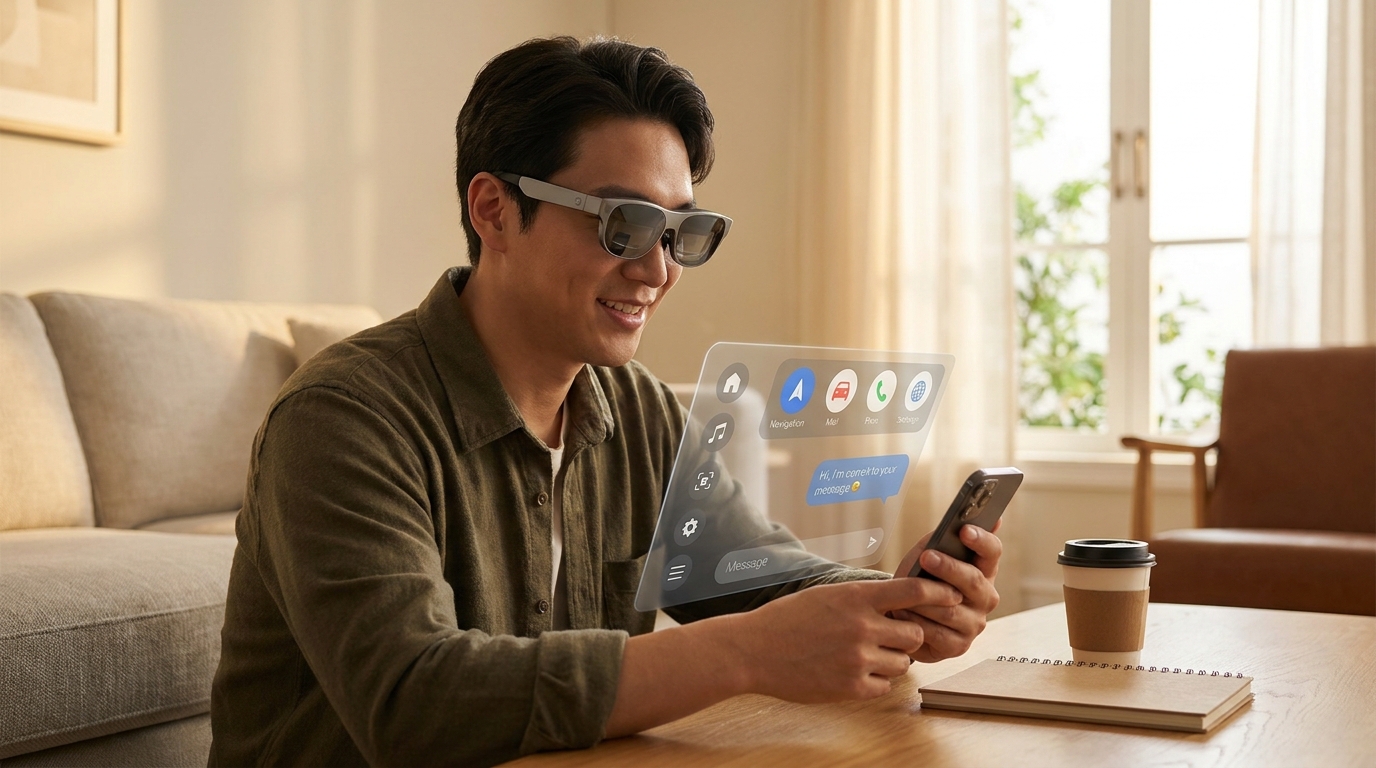
The real culprits are often closer than we think. Between the blue light from your phone and a mattress that does not support your spine, your environment might be working against you. About 89% of us keep electronics in the bedroom, where blue light suppresses melatonin, the hormone responsible for signaling sleep to the brain.
The Vicious Cycle of Stress and Sleep
Nearly 75% of adults report their sleep is regularly disrupted by stress, creating a biological catch-22: your brain is too wired to rest, and your body is too tired to handle the stress. When you are sleep-deprived, your brain's emotional centers become more reactive, making minor daily hurdles feel like major crises.
To break this loop, experts suggest an evening closure habit. Journaling for just five minutes before bed helps externalize worries, clearing the mental runway. Using a physical notebook instead of a digital device is crucial to avoid the melatonin-suppressing effects of screen glare.
The Tech Trap: Reclaiming the Bedroom
The 2026 screen-off trend emphasizes creating a digital-free sanctuary. Moving your charging station outside the bedroom creates a physical barrier that prevents late-night scrolling. This allows your natural circadian rhythm to take over, ensuring that your brain isn't tricked into thinking it is daytime by artificial blue light.
Ergonomic Support: Matching Mattress to Body
In 2026, sleep quality is determined by how a mattress reacts to your specific frame. Side sleepers generally require a plusher surface to provide pressure relief for shoulders and hips, preventing circulation issues. In contrast, back and stomach sleepers need firmer lumbar support to keep the spine from curving like a hammock, which leads to chronic pain.
Weight also plays a critical role. Sleepers under 140 pounds often find firm mattresses too hard to compress, requiring softer layers for comfort. Conversely, heavier individuals need denser materials and reinforced coils to prevent sagging and ensure the mattress lasts throughout its intended lifespan.
Sustainability and Health Standards
The Lifetime Renewal model is gaining traction, favoring mattresses with replaceable parts over disposable ones. Furthermore, certifications like GOTS and GOLS have become the gold standard. For instance, a GOLS-certified mattress must contain at least 95% organic latex, ensuring you are not breathing in synthetic off-gassing chemicals for eight hours every night.
Summary
Achieving better rest in 2026 is not about a single hack; it is about connecting mental wind-down habits with a physical space that supports your biology. By setting digital boundaries, practicing evening journaling, and choosing a mattress density that fits your ergonomics, you break the stress-sleep cycle. Prioritizing rest as a foundation rather than a reward is the key to a healthy year.