Can Vertical Farming Really Feed the World?
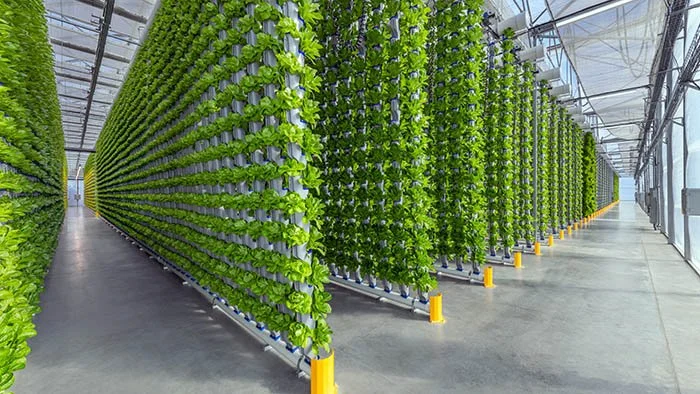
Imagine walking past a downtown skyscraper and realizing the floors inside aren't filled with offices, but thousands of heads of lettuce. For years, vertical farming has been pitched as the high-tech fix for our food system, promising fresh produce without the need for vast fields or perfect weather. As these indoor setups move from futuristic dreams to a serious industry, many are asking if they can actually feed the world or if they're just a niche solution for expensive greens.
This shift toward indoor agriculture is about more than just saving space. It's a rethink of food security and resource efficiency in a world facing constant droughts and land shortages. By using hydroponic systems and controlled environment agriculture, these farms can save 95% more water than traditional fields. But high energy costs and technical hurdles mean the path forward isn't always as simple as flipping a switch.
How Plants Grow Without Soil or Sun
Instead of waiting for a sunny day, growers use what they call light recipes. These are specific mixes of LED light that tell a plant exactly how to behave. For example, a blue-heavy light might encourage thick leaves, while a red-heavy light helps the plant flower. By skipping the sun and controlling the air temperature and CO2 levels, these farms create a perfect growing season that never ends.
When you decide to grow without soil, you usually pick between two main paths: hydroponics or aeroponics. Hydroponics is the steady workhorse where roots stay submerged in a nutrient solution. Aeroponics is the more sensitive cousin, hanging the roots in the air and spraying them with a fine mist. While aeroponics uses even less water, it requires constant maintenance. If a pump fails, the plants can dry out in minutes.
The Energy Challenge and Crop Limits
If you walk into a vertical farm, the first thing you notice isn't the smell of fresh basil—it's the constant hum of the lights. While traditional farmers get their energy for free from the sun, indoor growers have to manufacture it. This creates an electricity bill that is the biggest obstacle facing the industry today. In fact, most vertical farms use between 30 and 50 kilowatt hours for every kilogram of food they grow.
There is also the 'lettuce trap.' Right now, the math only makes sense for high-value greens like microgreens or herbs. You won't see vertical wheat or corn fields anytime soon because calorie-dense staples need too much light and space to be profitable. For now, the dream of feeding the whole world with indoor towers stays just out of reach until we find a way to lower energy costs significantly.
Summary
Vertical farming is not a simple replacement for the vast fields we have relied on for centuries, but it is becoming a vital partner to them. By stacking crops and using precise light recipes, we can save massive amounts of water and grow food in the heart of our cities, reducing 'food miles' and the need for pesticides.
The real value right now is in resilience. As weather becomes less predictable, having a steady supply of greens and berries that do not depend on the seasons is a huge win for food security. It’s a practical way to make our cities more self-sustaining, proving that our dinner plates can be filled by both the sun and the LED.