Look Good, Spend Less: The Ultimate Guide to Building a Sustainable Wardrobe on Any Budget
Building a sustainable wardrobe is one of the simplest ways to make fashion choices that are better for your budget and potentially better for the environment. Instead of constantly buying new clothes to follow changing trends, you can create a wardrobe filled with versatile, durable pieces that reflect your personal style.
The good news is that sustainable fashion does not have to be expensive. You do not need to replace everything in your closet or purchase exclusively from premium eco-friendly brands. By making smarter shopping decisions, caring for your clothes, and finding creative ways to reuse what you already own, you can build a sustainable wardrobe gradually.
Here are nine practical, budget-friendly ways to build a sustainable wardrobe that lasts.
What Is a Sustainable Wardrobe?
A sustainable wardrobe is a collection of clothing that is chosen, maintained, and used with the goal of reducing unnecessary consumption and environmental impact.
It focuses on buying clothes intentionally, wearing them for longer, repairing damaged items, and giving unwanted garments a second life. It also considers how clothing is manufactured, what materials are used, and whether the people making the garments are treated fairly.
Crucially, sustainable fashion isn’t about perfection—it’s about progress.
Re-wearing an outfit you love, mending a pair of jeans, or sourcing a jacket secondhand are all meaningful actions that move you toward a more conscious lifestyle.
1. Audit Your Closet Before You Spend
Before spending money on new clothes, take a closer look at what you already have.
Empty your closet or review your clothing section by section. Separate your clothes into categories such as everyday basics, workwear, special-occasion outfits, and seasonal items.
Ask yourself three questions about each garment:
- Do I wear this regularly?
- Does it fit my current lifestyle and personal style?
- Can I repair or restyle it if necessary?
Identifying your most-worn pieces highlights your true preferences in fit, color, and fabric. Equally important, it reveals actual gaps in your closet—showing you whether you genuinely need a versatile pair of trousers instead of another graphic tee.
Budget Hack: Keep a run list of missing essentials on your phone. Stick to it while shopping to avoid impulse buys and duplicate items.
2. Build a Versatile Capsule Wardrobe
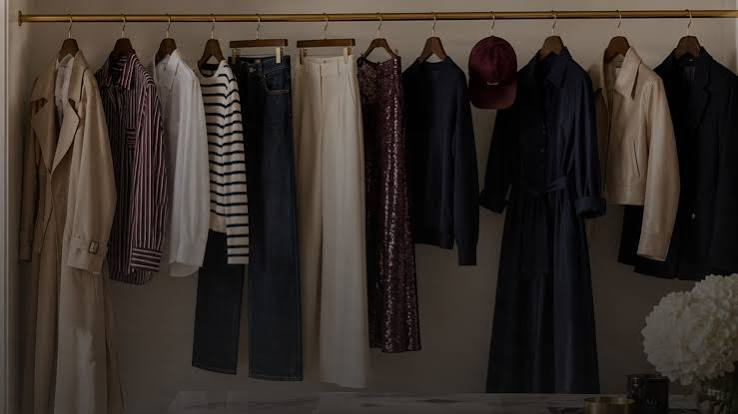
A capsule wardrobe is a collection of versatile clothing items that can be combined to create multiple outfits.
You do not need to follow a strict number of garments. The best capsule wardrobe is one that suits your lifestyle, climate, budget, and personal taste.
Here is an example of a simple everyday capsule wardrobe:
| Clothing item | Suggested quantity | Purpose |
| Basic T-shirts or tops | 4–6 | Layering foundation |
| Versatile shirts | 2–3 | Work & smart-casual balance |
| Trousers or jeans | 2–3 | Core bottoms |
| Shorts or skirts | 2 | Warm-weather flexibility |
| Lightweight outer layers | 1–2 | Cardigans, jackets, or blazers |
| Everyday shoes | 2 pairs | Comfortable, daily rotation |
| Special or statement pieces | 2–3 | Personality & special occasions |
These quantities are only a starting point, not a rule. You may need fewer items if you prefer a minimalist style or more options if your work and daily activities require different outfits.
Choose colors that work well together, such as black, white, navy, beige, or earth tones, and add accent colors that express your personality.
For warm or humid climates, lightweight shirts, breathable fabrics, and comfortable trousers may be more practical than heavy knitwear or thick outer layers.
The goal is to make getting dressed easier while maximizing the usefulness of every item you own.
3. Prioritize Quality Over Quantity (Cost Per Wear )
One of the most effective ways to reduce clothing waste is to buy garments that last.
Instead of purchasing several low-quality pieces that may quickly lose their shape, consider choosing fewer items with durable construction.
Before buying clothing, check:
- Stitching: Look for secure seams without loose threads.
- Fabric: Check whether the material suits your intended use and climate.
- Fit: Choose something comfortable that you will want to wear repeatedly.
- Fastenings: Inspect buttons, zippers, and other closures.
- Care requirements: Consider whether you can maintain the garment easily.
Price alone does not determine quality or sustainability. An expensive item can still be poorly made, while an affordable secondhand garment may have many years of useful life remaining.
Think about cost per wear as well. If you wear a $30 shirt 60 times, its cost is $0.50 per wear. A $15 shirt worn only three times costs $5 per wear.
This simple calculation can help you evaluate purchases more thoughtfully.
4. Master Secondhand & Thrift Shopping
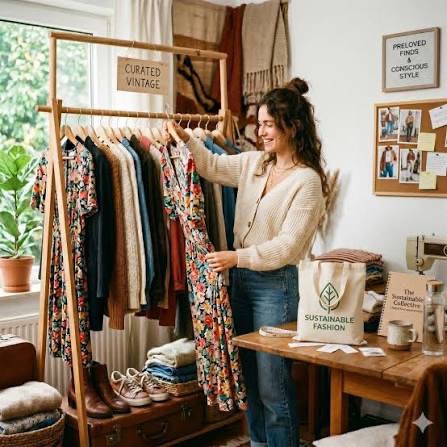
Thrifting is the ultimate cheat code for sustainable fashion. It allows you to score unique, high-quality garments without contributing to new manufacturing.
Explore local thrift shops, vintage stores, online resale apps, and community clothing swaps. When inspecting secondhand items, check for:
- Unwanted odors or deep stains
- Pilling, tears, or fraying seams
- Broken zippers or missing hardware
Host a clothing swap with friends to refresh your closet for free—everyone brings clean items they no longer wear and trades for fresh styles.
5. Decode Your Fabrics
Understanding clothing materials can help you make more informed purchasing decisions.
Different fabrics have different advantages and environmental considerations.
Cotton: Commonly used for T-shirts, shirts, and everyday clothing. Organic cotton follows specific production standards, but water use, processing, and garment durability still matter.
Linen: Made from flax, linen is often valued for its breathability and suitability for warm weather. It can wrinkle easily, which may or may not suit your preferences.
Wool: Useful for warmth and certain durable garments, although animal welfare, land use, and processing should also be considered.
Recycled polyester: Made partly or entirely from recycled polyester feedstock, it can reduce demand for virgin materials. However, it remains a synthetic fiber and can release microfibers during washing.
Lyocell: A manufactured cellulose fiber that may be produced using processes designed to recover and reuse solvents. Environmental performance depends on the specific production system.
No fabric is automatically the most sustainable choice in every situation. Consider durability, production methods, care requirements, and how frequently you will wear the garment.
Ultimately, choosing clothing that fits your needs and remains useful for a long time is more practical than relying on a single material label.
6. Extend the Life of Your Clothes with Smarter Care
Buying sustainable clothing is only part of the process. How you care for your garments can also influence how long they last.
Follow the care instructions on clothing labels. Wash garments when necessary rather than automatically washing every item after a short period of wear.
Laundering Best Practices
- Wash in cold water to protect fibers and prevent color fading.
- Air-dry on a rack or line whenever possible to avoid dryer heat damage.
- Treat stains immediately rather than running aggressive bleach cycles later.
- Master basic repairs—learning to sew a loose button or mend a small seam can save an outfit from the landfill.
Learn a few basic repair skills, such as sewing on a button, fixing a loose seam, or repairing a small hole.
For more complicated repairs, a tailor may be able to extend the life of a favorite garment at a lower cost than replacing it.
Proper care can help you get more use from the clothing you already own and reduce unnecessary replacement purchases.
7. Shop Your Own Closet First
You don’t need a shopping trip to unlock new outfits. Get creative with styling techniques using the garments you already own.
- Layer creatively: Wear a fitted turtleneck under a slip dress or an unbuttoned collared shirt over a tank top.
- Play with proportions: Pair oversized sweaters with sleek trousers, or fitted tops with wide-leg jeans.
- Accessorize: Shift an outfit from casual to formal using belts, shoes, or jewelry.
Snap photos of new outfit combinations that work well and save them in an “Outfit Ideas” album on your phone for quick morning inspiration.
8. Support Ethical and Responsible Fashion Brands
When buying new clothing, consider the company’s manufacturing practices, environmental commitments, and transparency.
Look for specific information about materials, supply chains, working conditions, and garment durability. Where relevant, independent certifications can provide additional evidence for particular environmental or social claims.
Be cautious of vague marketing terms such as “green,” “natural,” or “eco-friendly” when a company does not explain what those claims mean.
You can also explore local designers, independent makers, and businesses offering repair services or made-to-order clothing.
However, do not feel pressured to replace your wardrobe with products from sustainable brands. Using existing clothes, shopping secondhand, and buying less can be sensible options for people with different budgets.
Responsible fashion should be accessible and practical, not another reason to spend more money.
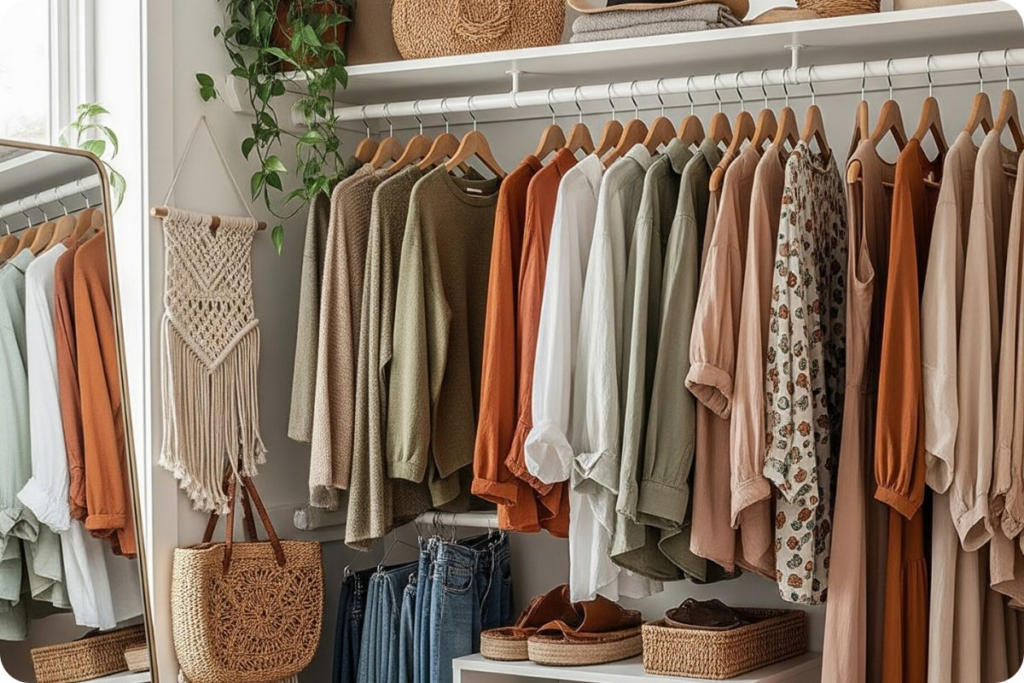
9. Make Your Sustainable Wardrobe Affordable
A sustainable wardrobe can be built gradually without making large purchases.
Start by setting a clothing budget that works for your circumstances. Prioritize replacing essential items that are worn out or no longer suitable, rather than buying an entirely new collection.
Here is a simple monthly approach:
Week 1: Review your closet. Identify what you own and what you genuinely need.
Week 2: Restyle existing pieces. Create new combinations using clothes you already have.
Week 3: Repair or reuse. Mend damaged garments and identify items that could be altered.
Week 4: Shop intentionally, if necessary. Look for one useful item that fills a genuine gap in your wardrobe.
You do not need to buy something every month. If you already have everything you need, saving your money is a perfectly reasonable choice.
The most affordable sustainable wardrobe is often the one that makes the best use of what you already own.
Frequently Asked Questions
Is sustainable fashion expensive?
It does not have to be. Buying secondhand, repairing clothing, borrowing occasional outfits, and avoiding unnecessary purchases can help reduce spending. Some responsibly produced new garments cost more upfront, but you can build a sustainable wardrobe without replacing everything you own.
How many clothes should a sustainable wardrobe have?
There is no universal number. The right amount depends on your climate, lifestyle, occupation, laundry routine, and personal preferences. Focus on wearing your clothes regularly rather than reaching a specific number of items.
What are the best fabrics for a sustainable wardrobe?
There is no single best fabric for every situation. Linen, cotton, recycled fibers, wool, and other materials each have different environmental trade-offs. Consider durability, production methods, care requirements, and how long you expect to use the garment.
Is secondhand shopping better than buying new clothes?
Secondhand shopping can extend the useful life of existing clothing and reduce demand for new production. Its benefits depend on factors such as how much you buy, whether you actually wear the items, and whether secondhand purchases replace new purchases.
How can I make my wardrobe more sustainable without throwing clothes away?
Start by wearing what you already own. Repair damaged garments, experiment with new outfit combinations, and use a tailor when alterations would help. Donate or resell items only when you no longer need them, and prioritize reducing unnecessary purchases.
Final Thoughts
Building a sustainable wardrobe is about making thoughtful choices that fit your lifestyle, personal style, and budget.
By auditing your closet, creating versatile outfits, choosing durable garments, shopping secondhand, and caring for your clothes properly, you can make meaningful changes without giving up your love of fashion.
You do not need to achieve perfection overnight. Start with one practical habit, such as repairing a favorite shirt or avoiding an unnecessary purchase, and build from there.
A more sustainable wardrobe begins with using what you have, buying what you need, and making every garment count.
Related Post