Best Kitchen Supply Warehouse for Homeowners: A Practical Guide to Quality and Affordable Supplies
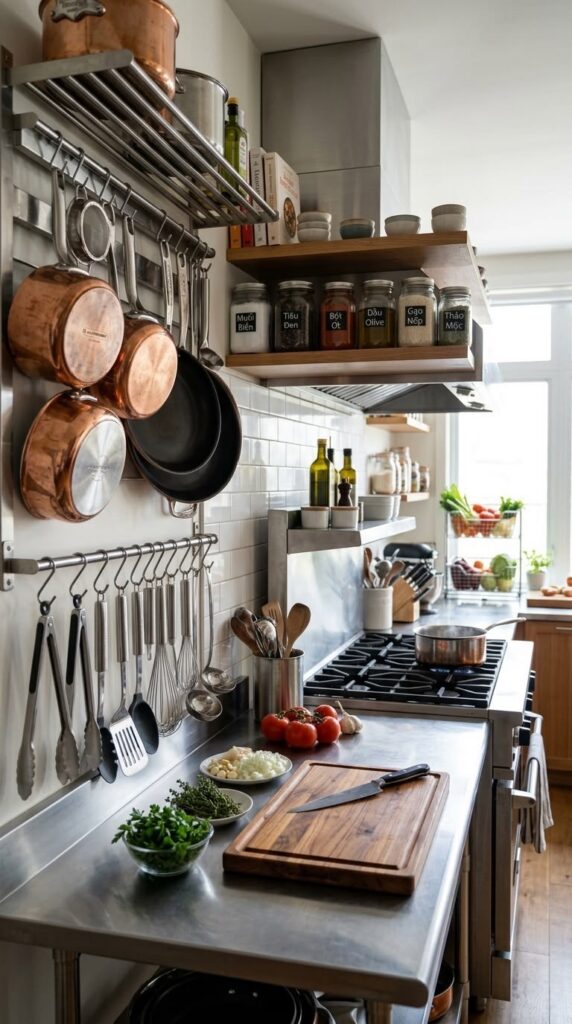

Choosing the right kitchen supply warehouse can help homeowners compare products, manage renovation costs, and plan a kitchen that fits their needs. Whether you are replacing kitchen cabinets, upgrading a faucet, improving storage, or remodeling the entire room, understanding how to evaluate suppliers can help you avoid unnecessary expenses.
For homeowners across the United States, the best place to buy kitchen supplies depends on the size of the project, the products required, the available budget, and the level of installation support needed. This guide explains what to compare, which shopping options to consider, and how to prepare before placing an order.
What Is the Best Kitchen Supply Warehouse for Homeowners?
The best kitchen supply warehouse is not necessarily the one with the lowest advertised prices. It is the retailer or supplier that offers suitable products, transparent costs, dependable service, and clear policies for delivery, returns, and warranties.
A homeowner purchasing a replacement faucet may need a different supplier from someone ordering cabinets for a complete kitchen renovation.
Before choosing a store, consider these five factors:
- Product selection: Does the retailer carry the sizes, materials, finishes, and styles you need?
- Total cost: Are delivery, hardware, installation, and other necessary expenses included?
- Product information: Are dimensions, materials, specifications, and warranties clearly explained?
- Availability: Are products in stock, or will you need to wait for a special order?
- Customer support: Can you get help with measurements, compatibility, installation, and returns?
Comparing these factors helps you choose a supplier based on the complete purchasing experience rather than price alone.
Types of Kitchen Supply Stores to Consider
Homeowners in the United States can purchase kitchen supplies from several types of retailers. Each option has different advantages depending on the project.
1. Home Improvement Stores
Large home improvement stores are convenient for homeowners who need common renovation materials, tools, cabinet hardware, sinks, faucets, and kitchen accessories.
They may offer online ordering, in-store pickup, delivery, and installation services for selected products. These features can be useful when you want to purchase several items for a project without coordinating with multiple suppliers.
Best for: Routine upgrades, replacement fixtures, DIY projects, and commonly available products.
Before buying, compare the specifications and confirm whether the product is available at your local store.
2. Specialty Kitchen and Cabinet Showrooms
Kitchen showrooms focus on cabinetry, countertops, layouts, and coordinated kitchen designs. Depending on the business, customers may receive help selecting cabinet finishes, planning storage, or coordinating product dimensions.
A showroom can be particularly useful when standard cabinet sizes do not fit your kitchen or when several products must work together.
Best for: Complete kitchen remodels, customized cabinetry, and projects that require design assistance.
Ask whether design consultations are included in the price or charged separately. Also confirm production lead times before scheduling installation.
3. Wholesale and Discount Kitchen Warehouses
Wholesale suppliers and discount warehouses may offer bulk products, clearance inventory, surplus materials, or discounted cabinet styles. These options can be attractive to budget-conscious homeowners.
However, discounts do not always mean the product is the best value. A clearance cabinet may be inexpensive but unsuitable if you cannot obtain enough matching units to complete your kitchen.
Best for: Budget-conscious projects, standard products, and homeowners who can verify quantities and specifications before purchasing.
Check the condition of the products, return eligibility, warranty coverage, and availability of matching replacement parts.
4. Online Kitchen Supply Retailers
Online retailers allow homeowners to compare product descriptions, dimensions, finishes, customer reviews, and prices without traveling between stores.
Online shopping can work well for cabinet pulls, drawer organizers, faucets, and other products with clear specifications. Large cabinets and countertops require more careful planning because delivery, damage, and return costs can be substantial.
Best for: Comparing products, researching specifications, and ordering smaller supplies from home.
Before checking out, verify the seller’s contact information, shipping terms, delivery arrangements, and return policy.
How to Compare Kitchen Supply Warehouses
Comparing suppliers becomes easier when you evaluate the same factors for each option. Use the following checklist before making a purchase.
| What to compare | Questions to ask |
| Product price | Is the price for one item, a set, or a complete package? |
| Materials | What materials and finishes are used? |
| Dimensions | Will the product fit the available space? |
| Availability | Is it in stock or made to order? |
| Delivery | Are shipping fees and delivery arrangements clear? |
| Warranty | What is covered, and for how long? |
| Returns | Are custom or clearance products returnable? |
| Installation | Is professional installation available, and what does it cost? |
For a fair comparison, evaluate products with similar dimensions, materials, features, and warranty terms. A lower-priced product may not save money if it requires additional components or has higher delivery costs.
How to Find Affordable Kitchen Supplies Without Sacrificing Quality
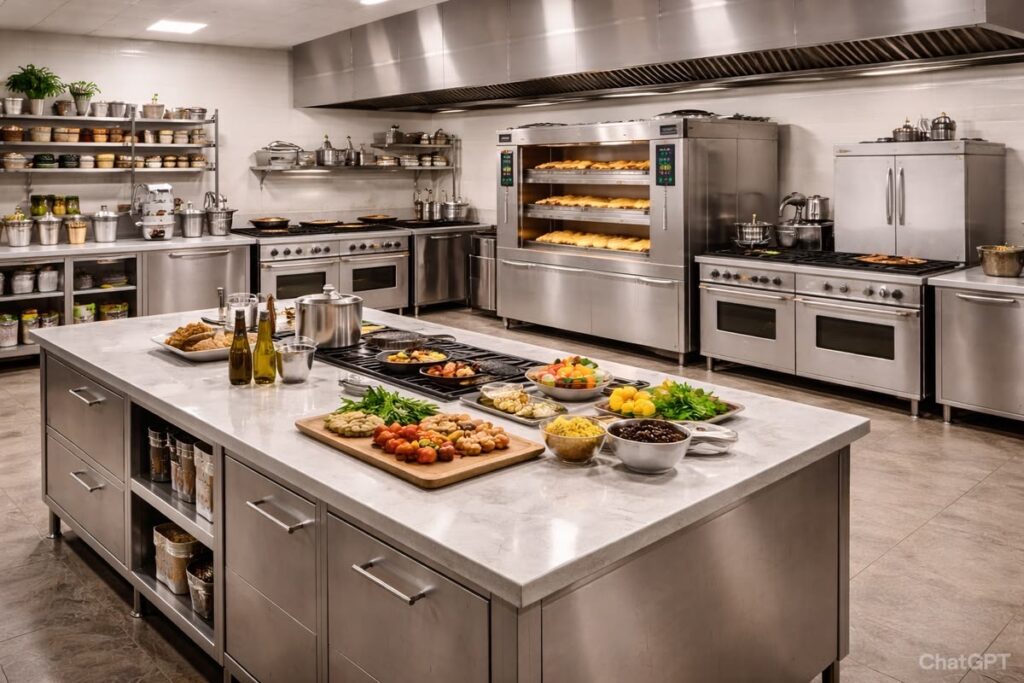
A kitchen renovation can become expensive when small purchases accumulate or when materials must be reordered because of measurement errors. Planning before shopping can help homeowners control costs.
Set a Budget Before Visiting a Warehouse
Start by listing the items required for the project. Separate essential purchases from optional upgrades.
For example, a cabinet replacement project may require cabinets, handles, hinges, filler panels, delivery, and installation. Leaving out these additional components can make the initial budget appear lower than the actual cost.
Reserve part of your budget for unexpected expenses, particularly if you are remodeling an older kitchen where hidden problems may be discovered.
Compare Clearance and Overstock Products Carefully
Discounted products may be worth considering when the dimensions, condition, and quantity meet your requirements.
Before buying clearance cabinets, verify that enough matching units are available. Ask whether additional doors, panels, hinges, or other components can be ordered later.
For countertops and other materials sold in specific sizes or batches, confirm that the available quantity is sufficient for your layout.
Prioritize Durable, Practical Materials
The right material depends on how you use your kitchen, how much maintenance you are comfortable with, and how much you want to spend.
Consider these questions:
- Will the surface experience frequent spills, heat, or heavy use?
- Is the finish easy to clean and maintain?
- Are replacement parts available?
- Does the product require special installation?
- Are care instructions and warranty conditions provided?
A practical product that meets your daily needs may be a better purchase than a more expensive option with features you rarely use.
Measure Before Ordering
Incorrect measurements can cause delays, additional shipping expenses, and costly modifications.
Measure the available space carefully and account for appliances, plumbing, electrical outlets, doors, windows, and cabinet clearances. For cabinets and countertops, consider having a qualified professional verify measurements before placing a large order.
Keep a written record of measurements and product model numbers so that you can check the order before it arrives.
What to Look for When Buying Kitchen Cabinets
Cabinets often require careful planning because they influence kitchen storage, appearance, and layout.
Stock Cabinets
Stock cabinets are manufactured in standard sizes and finishes. They can be a practical option when your kitchen layout accommodates the available dimensions.
Before ordering, check the cabinet width, depth, height, interior storage, door swing, and included hardware.
Semi-Custom Cabinets
Semi-custom cabinets generally provide more choices in dimensions, finishes, and configurations than standard stock products. They may be suitable when you need additional flexibility without commissioning every component from scratch.
Confirm which modifications are available and how they affect the final price and delivery schedule.
Custom Cabinets
Custom cabinets are made to suit a particular space or design. They can be useful for unusual layouts, specialized storage requirements, or distinctive design preferences.
Because customization can add cost and production time, request a detailed quotation and confirm the measurements, materials, finish, and installation responsibilities before approving the order.
Questions to Ask a Cabinet Supplier
Before committing to a cabinet order, ask:
- What materials are used for the cabinet boxes, doors, and drawer components?
- Are handles, hinges, and drawer slides included?
- What is the estimated production and delivery time?
- Can individual doors or components be replaced later?
- What does the warranty cover?
- Are installation instructions available?
- What happens if a product arrives damaged or does not match the order?
Getting these details in writing can help reduce misunderstandings during the renovation.
Choosing Kitchen Sinks, Faucets, and Accessories
Smaller kitchen fixtures also require compatibility checks. A product that looks suitable online may not fit the existing countertop or plumbing arrangement.
Kitchen Sinks
Check the sink’s overall dimensions, installation style, bowl depth, drain position, and required cabinet space. If you are replacing an existing sink, measure the opening and confirm whether countertop modifications are necessary.
Kitchen Faucets
Review the number of mounting holes, faucet height, spout reach, water connections, and any included accessories. If you are purchasing a pull-down faucet or another specialized design, confirm the installation requirements and available clearance.
Cabinet Hardware and Storage Organizers
Cabinet handles, drawer pulls, shelf organizers, and pull-out storage can improve convenience without requiring a full renovation.
Measure existing hole spacing before ordering replacement handles. For organizers, check the internal dimensions of cabinets and drawers rather than relying only on external measurements.
How to Plan a Kitchen Supply Shopping Trip
A little preparation can make the buying process more efficient.
Step 1: Define the project. Decide whether you are replacing a few fixtures, updating cabinets, or remodeling the entire kitchen.
Step 2: Create a product list. Include the main items and any necessary accessories, hardware, tools, or installation materials.
Step 3: Record measurements. Measure the available space and document relevant appliance, plumbing, and electrical locations.
Step 4: Compare at least two or three suppliers. Request written quotations for comparable products and services where practical.
Step 5: Confirm the complete cost. Include taxes, delivery, installation, and any additional materials required.
Step 6: Check the order before installation. Verify product names, quantities, sizes, finishes, and condition as soon as the delivery arrives.
This process helps you identify missing components and resolve problems before they interrupt the renovation.
Common Mistakes to Avoid When Buying Kitchen Supplies
Even a well-planned project can encounter problems if important details are overlooked.
Choosing Products Based Only on Price
A low price does not necessarily indicate good value. Compare materials, specifications, warranty terms, and installation requirements before deciding.
Ordering Without Confirming Measurements
Do not assume that a replacement product will fit simply because it looks similar to the original. Check dimensions and compatibility before placing the order.
Ignoring Delivery and Return Conditions
Large or customized products may have special delivery and return requirements. Review these terms before paying, particularly when ordering cabinets or countertops.
Buying From an Unverified Seller
Research the retailer, confirm its contact information, and review its policies. Be cautious if product descriptions are incomplete, prices seem unusually low, or the seller cannot explain warranty and return arrangements.
Forgetting About Installation
Some products are suitable for experienced DIY homeowners, while others require specialized tools or professional skills. Include installation in the budget and seek qualified help when the work involves plumbing, electrical systems, or structural changes.
Frequently Asked Questions
What is the best kitchen supply warehouse for homeowners?
The best option depends on the products you need, your budget, and the services you value. Home improvement stores can be convenient for common supplies, specialty showrooms may provide more design support, discount warehouses can offer selected bargains, and online retailers make product comparison easier.
Are kitchen supply warehouses cheaper than regular retail stores?
Not always. Prices vary by product, quantity, materials, delivery costs, and available promotions. Compare the total cost of equivalent products rather than assuming a warehouse will always be less expensive.
Where can I buy affordable kitchen cabinets in the USA?
Homeowners can compare cabinet prices at home improvement retailers, cabinet showrooms, online suppliers, and discount warehouses. Check dimensions, construction details, included hardware, shipping, and installation costs before choosing a supplier.
Can homeowners buy from wholesale kitchen suppliers?
Some wholesale suppliers sell directly to homeowners, while others may require business accounts, minimum quantities, or trade credentials. Check the supplier’s purchasing requirements before visiting or ordering.
Should I buy kitchen supplies online or in person?
Online shopping is useful for comparing prices and specifications. Visiting a store or showroom can help you inspect finishes and materials before purchasing. For large or customized products, consider reviewing samples and confirming measurements before placing an order.
How can I avoid wasting money on a kitchen renovation?
Create a detailed shopping list, establish a budget, verify measurements, compare written quotations, and confirm delivery and return policies. Prioritize products that suit your actual needs rather than paying for features you are unlikely to use.
Final Thoughts
Finding the best kitchen supply warehouse for homeowners means balancing price, quality, product availability, and customer service. The right supplier should make it easier to understand your options, confirm product compatibility, and plan purchases without unexpected costs.
Before ordering, compare the complete cost, review product specifications, check warranty and return conditions, and verify measurements. Whether you are upgrading a faucet, improving cabinet storage, or remodeling an entire kitchen, a careful purchasing process can help you make more confident decisions.
The goal is not simply to find the cheapest kitchen supplies. It is to choose products and suppliers that fit your home, your budget, and the way your family uses the kitchen.
Related Post