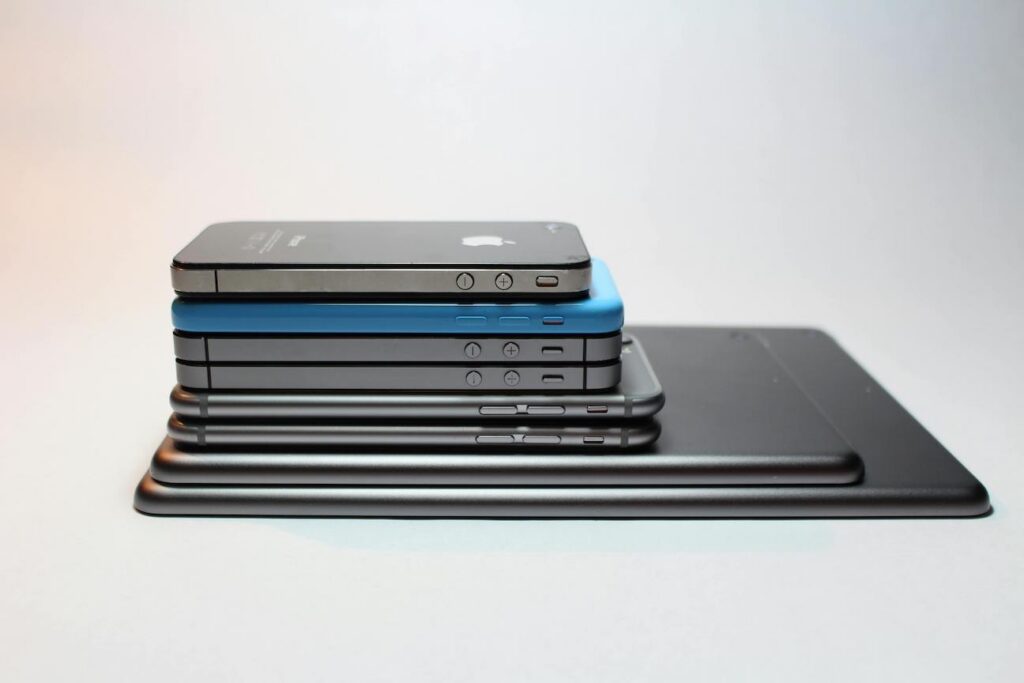
Beyond the Screen: Why Meta’s New AR Glasses Are Built to Replace Your Phone
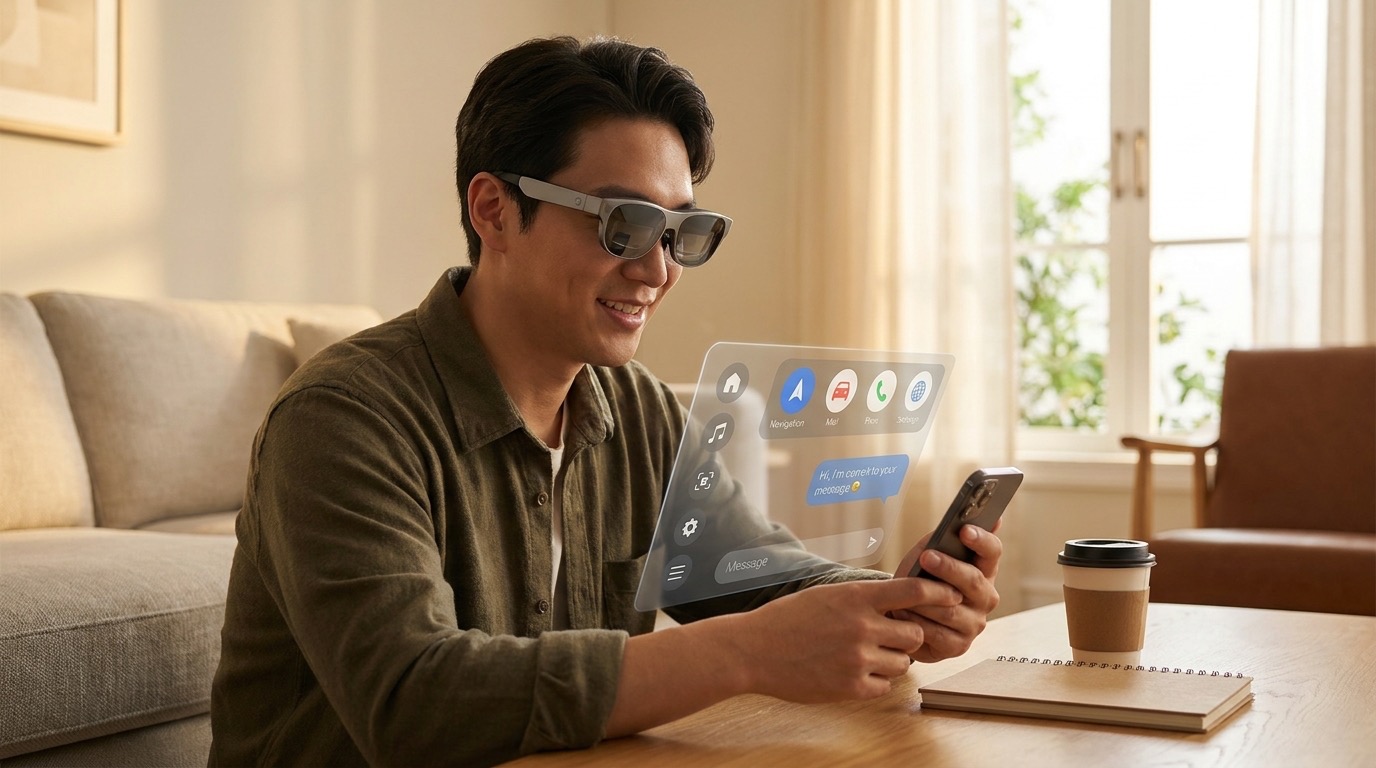
Have you ever felt like you’re glued to your phone screen while the real world passes you by? Meta wants to change that by putting your digital life directly into your line of sight without the bulk of a heavy VR headset.
This shift toward stylish, everyday eyewear means augmented reality technology is finally ready for the spotlight. It is not just a minor update, but a total rethink of how we interact with the world around us—whether you are working at your desk, navigating a new city, or just relaxing at home.
The Shift: Moving Beyond Clunky VR Headsets
For years, augmented reality felt like an uncomfortable science project. Heavy hardware, short battery life, and awkward head straps kept the technology confined to niche markets and laboratory testing. That narrative officially changed with the retail launch of the Meta Ray-Ban Display glasses on September 30, 2025, alongside ongoing breakthroughs with Meta’s advanced Orion AR prototype.
Instead of strapping an isolating screen over your face, Meta’s latest direction focuses on helping you stay present in the real world:
- The Orion Prototype: Serves as the pinnacle of AR R&D. By utilizing optical-grade silicon carbide lenses, Orion achieves an unprecedented 70-degree field of view (FOV) in a slim, wearable form factor.
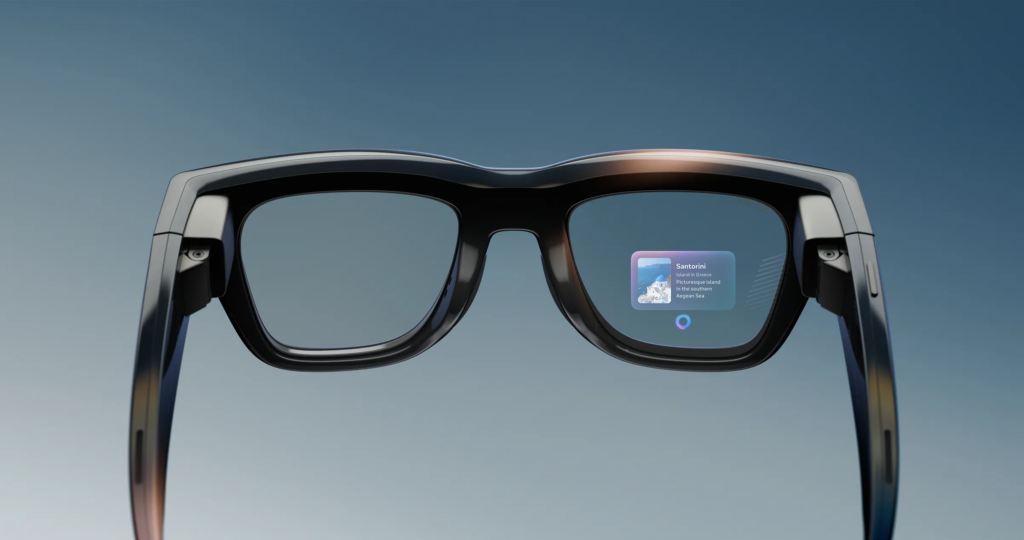
- Ray-Ban Display Series: Built for commercial daily use. It features a side-mounted display that presents discreet AI assistance without blocking your primary line of sight.
Material Science: Silicon Carbide and Magnesium
The main reason standard glasses could never support true augmented reality comes down to physics. Traditional glass or plastic lenses cannot bend light sharply enough to deliver a wide display without becoming impossibly thick and heavy.
To solve this, Meta introduced a combination of advanced materials:
- Silicon Carbide Lenses: Silicon carbide possesses an exceptionally high refractive index. This allows light to project across a record-breaking 70-degree field of view while keeping the lenses thin, durable, and free of distracting rainbow visual artifacts.
- Magnesium Frames: Stuffing processors onto your face generates heat. Built from ultra-lightweight magnesium, the frame structure doubles as a passive cooling system that pulls heat away from your skin.
- Wireless Compute Puck: To keep the nose bridge light and avoid headaches, heavy computational processing is offloaded to a compact wireless puck carried in your pocket.
Goodbye ‘Glasshole’ Era: Subtle Control via Neural Input
Early iterations of smart eyewear suffered from severe social awkwardness. Nobody wanted to wear devices that made them look like walking surveillance cameras, nor did they want to wave their arms frantically to scroll through floating menus in public.
Meta eliminated this barrier by replacing camera-only hand tracking with the Meta Neural Band:
- Surface Electromyography (EMG): The wristband detects the microscopic electrical impulses your brain sends down your arm to your muscles.
- Micro-Gesture Input: You can scroll through messages, click links, or dismiss notifications using tiny movements—such as a subtle finger snap or thumb tap—while your hand rests naturally in your pocket.
- Socially Acceptable Privacy: Unlike loud voice commands or visible tapping on frame temples, wrist-based EMG control allows for completely private interaction on crowded public transit or during face-to-face conversations.
Practical Everyday Uses: Real-World Utility
What does this technology actually look like in practice? Rather than replacing your physical reality, the software layers useful contextual data over what you are already looking at:
- Instant Translation: View live translation text floating next to foreign road signs or restaurant menus in real time.
- Contextual AI Assistance: Look at a complex machine or a household appliance and receive step-by-step visual repair instructions floating over the specific parts.
- Glanceable Notifications: Keep track of incoming directions or messages via the side-mounted display without breaking your conversational flow or pulling out a physical phone.
Frequently Asked Questions
What is the main difference between Meta Orion and Ray-Ban Display glasses?
Orion is an internal technology prototype designed to showcase full-field spatial AR with a 70-degree view. The Ray-Ban Display glasses are a finished, consumer-ready product launched in late 2025 that uses a side-mounted display for daily assistance.
How does the neural wristband work?
The Meta Neural Band uses surface electromyography (EMG) to read the electrical signals sent to your wrist muscles. It translates micro-gestures—like a simple pinch or finger flick—into digital commands without needing external cameras to track your hands.
Why are silicon carbide lenses so important for AR?
Silicon carbide has a much higher refractive index than traditional glass. It allows light engine projections to spread wider across the lens, creating a broad field of view without adding thick, heavy layers of material.
The Big Picture: Is the Smartphone Era Coming to an End?
While smartphones will not vanish overnight, the era of staring down at a handheld glass slab is reaching its limits. By pairing high-clarity optics with discrete neural input and contextual AI, Meta is building a seamless bridge between digital data and physical reality.
As hardware miniaturization continues into 2026 and beyond, smart eyewear is setting the foundation for the next dominant computing platform—one that keeps your head up and your eyes focused on the world around you.As we head toward 2026, keep an eye on how these devices evolve. Your next move might be to try a pair of smart glasses for yourself to see how that side-mounted display feels in person. The smartphone era is not ending tonight, but the days of being stuck to a handheld screen are definitely numbered. The future looks bright, and it is right in front of your eyes.
Related Post