Hyundai Tucson: A Smart Choice and What to Know About Car Insurance
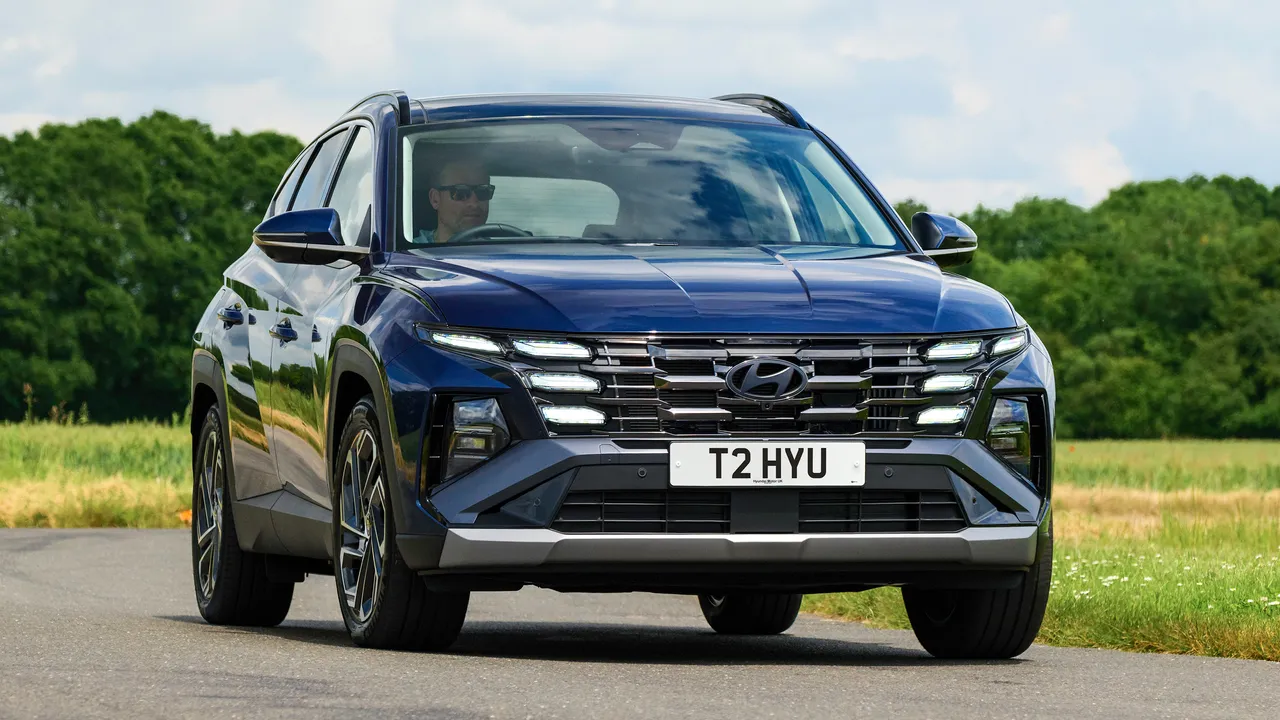
Table of Contents
- Overview of the Hyundai Tucson
- Estimating Insurance and Total Ownership Costs
- Pre-Purchase Checklist
- Conclusion
Overview of the Hyundai Tucson
The Hyundai Tucson is a compact SUV offering a balance of passenger comfort, fuel efficiency, and integrated technology suitable for daily commuting and family use in the United States.
Key Features and Practicality
The Tucson provides a functional interior design without the bulky footprint of full-size SUVs. Key attributes include:
- Utility & Cargo: Ample cargo volume for daily errands and travel, combined with high maneuverability for city parking.
- Safety Technology: Available driver-assist technologies—such as Lane Keeping Assist, Forward Collision-Avoidance Assist, and Smart Cruise Control—vary by trim level.
- Connectivity & Powertrain: Recent model years include touchscreen infotainment with Apple CarPlay® and Android Auto™ compatibility. Engine configurations range from standard four-cylinder engines to hybrid powertrains designed to optimize fuel economy.
Estimating Insurance and Total Ownership Costs
Auto insurance premiums for the Hyundai Tucson depend on individual underwriting factors and location. Generally, compact SUVs fall into a moderate rate tier compared to high-performance or luxury vehicles.
| Key Factors Influencing Premiums | Impact on Cost |
| Trim Level & MSRP | Higher-priced trims generally cost more to repair or replace, which may increase collision and comprehensive coverage rates. |
| Safety Features | Vehicles equipped with anti-theft devices and advanced crash-avoidance systems may qualify for safety discounts from select insurers. |
| Geographic Location | Local traffic density, theft statistics, and regional weather risks directly affect rate calculations. |
| Driver Profile | Age, driving history, annual mileage, and credit-based insurance scores (where permitted by state law) heavily weigh into individual policy quotes. |
Additional Ownership Expenses
Beyond insurance and auto financing, long-term budgeting should account for:
- Fuel: Daily driving habits and chosen powertrain (standard vs. hybrid).
- Routine Maintenance: Scheduled fluid changes, tire rotations, and brake wear.
- Warranty Coverage: Limited powertrain and new-vehicle warranties can mitigate unexpected repair costs during the coverage period, though wearable items (like tires) remain the owner’s responsibility.
Pre-Purchase Checklist
- Compare Insurance Quotes Early: Request quotes from multiple licensed insurance providers using exact VINs or trim details before completing a purchase. Rates can vary significantly across insurers for the same vehicle.
- Verify Safety Features: Ask insurance representatives which safety and driver-assist features qualify for specific policy discounts.
- Test Drive Specific Trims: Features, infotainment displays, and safety packages differ between trim levels, affecting both overall purchase price and driver preference.
- Review Dealer Incentives: Check for seasonal promotions, special financing rates, or trade-in allowances that may lower the final purchase price.
Conclusion
The Hyundai Tucson remains a popular compact SUV choice due to its balance of functional space, available safety technology, and long-term warranty options. By comparing insurance quotes in advance and factoring in routine maintenance, prospective buyers can accurately assess total cost of ownership.
Related Post