How to Lose Weight and Reduce Belly Fat: What Science Actually Says
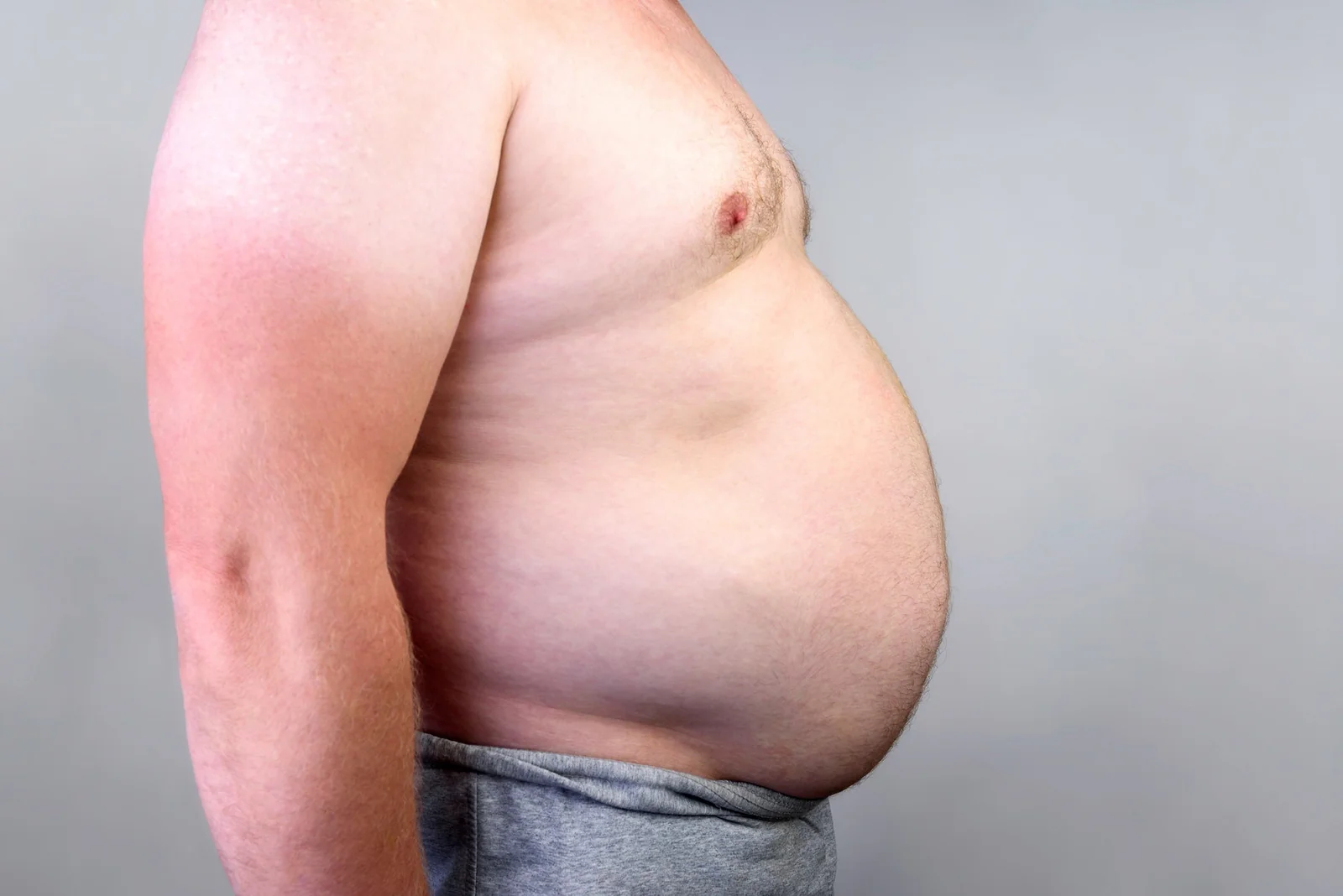
Table of Contents
- Understanding Belly Fat and Health
- What Works (And What Misleads)
- Sustainable Strategies for Long-Term Results
- Summary
Understanding Belly Fat and Health
Carrying extra weight around the midsection is common, but it can often feel challenging to manage. Even with regular exercise and a balanced diet, targeted fat loss takes time.
Not all body fat functions the same way:
- Subcutaneous Fat: This is the soft layer located directly under the skin.
- Visceral Fat: This deeper fat surrounds internal organs. Medical professionals closely monitor visceral fat because higher levels are associated with increased risks for cardiovascular conditions and metabolic issues.
Hormones, lifestyle choices, and genetics all play a role in where your body stores fat. For example, persistent stress leads to higher levels of cortisol, a hormone that signals the body to store energy. Combined with sugary drinks, ultra-processed foods, poor sleep, or age-related shifts in metabolism, losing midsection weight requires a comprehensive approach rather than a single solution.

What Works (And What Misleads)
Spot reduction—the idea that you can lose fat from just one specific area by exercising that body part—is a common myth. Performing abdominal exercises strengthens your core muscles, but overall fat loss occurs across the entire body over time as you maintain an energy deficit.
Here are lifestyle habits supported by health experts:
- Strength Training: Building muscle increases your baseline resting metabolic rate, helping your body burn more calories throughout the day.
- Balanced Nutrition: Prioritize nutrient-dense foods like lean proteins, fiber-rich vegetables, whole grains, and healthy fats. High-protein foods help you feel full longer.
- Stress Management: Incorporating daily relaxation techniques, light walking, or mindfulness can help manage stress hormone production.
- Prioritizing Quality Sleep: Getting 7 to 8 hours of quality sleep helps maintain balance in the hormones that regulate hunger and appetite (ghrelin and leptin).
A Note on Quick Fixes: Detox teas, fat-burning supplements, and fad diets rarely produce lasting fat loss. These products typically cause temporary water weight loss rather than actual fat reduction, and some may contain unregulated ingredients.
Surgical Options
Surgical procedures such as liposuction or a abdominoplasty (tummy tuck) can contour specific body areas or remove excess skin after significant weight loss. However, medical procedures do not replace healthy lifestyle habits, nor do they prevent future weight gain. Medical treatments should always be evaluated in consultation with a board-certified physician.
Sustainable Strategies for Long-Term Results
Adopting small, repeatable habits yields better, safer long-term outcomes than drastic diets. Rapid weight loss often leads to muscle loss or weight regain.
- Increase Daily Movement: A simple daily walk supports healthy blood sugar levels and general health.
- Swap Out Liquid Calories: Replace sugary sodas and fruit juices with water, sparkling water, or unsweetened tea.
- Focus on Gradual Progress: Aiming for a gradual weight reduction of 1 to 2 pounds per week is generally considered safe and sustainable by healthcare providers.
- Track Beyond the Scale: Non-scale victories—such as improved energy levels, better sleep quality, and how your clothes feel—are meaningful indicators of overall health progress.
Summary
Losing belly fat requires a holistic approach built on consistency, realistic goal-setting, and patience. Focus on nourishing your body with balanced foods, moving daily, managing stress, and resting well. Before making significant changes to your diet, exercise routine, or considering medical procedures, consult a licensed healthcare provider to create a plan suited to your individual needs.
Related Post