Electric Bikes and the Future for Urban Mobility: Everything You Need to Know
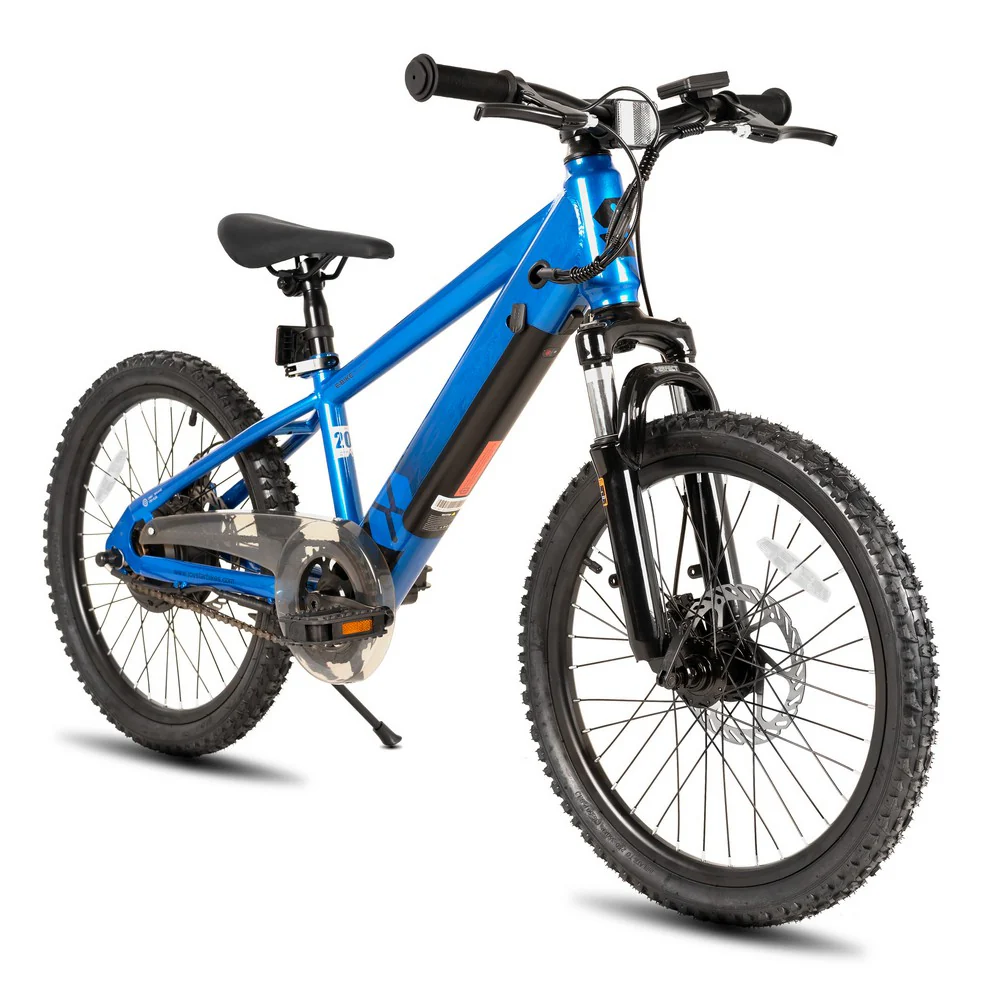
Table of Contents
- The Evolution of City Commuting
- Key Benefits of Switching to an E-Bike
- Cost Comparison: E-Bike vs. Traditional Car Commuting
- Integrating E-Bikes into Your Daily Routine
- The Future of Urban Mobility
1. The Evolution of City Commuting
Electric bikes (e-bikes) are no longer a niche trend—they are fundamentally reshaping how people move through urban spaces. From office workers skipping gridlock traffic to parents hauling groceries with ease, e-bikes offer a practical middle ground between walking and driving.
Unlike traditional bicycles, which can leave riders exhausted before reaching their destination, e-bikes use pedal-assist technology to flatten steep hills and reduce physical exertion. They make active transportation accessible to a broader demographic, including older adults and those recovering from injuries, without sacrificing the convenience of a personal vehicle.
2. Key Benefits of Switching to an E-Bike
Adopting an e-bike brings clear advantages for health, finances, and day-to-day convenience.
- Effortless Commuting: Reaching speeds up to 20–28 mph allows you to arrive at work or social events quickly without breaking a sweat.
- Low Operating Costs: Charging an e-bike battery costs pennies per day compared to the rising expenses of gasoline, insurance, and parking.
- Health and Wellness: Riding an e-bike still provides active cardiovascular exercise. Riders control the pedal-assist level, choosing when to push harder and when to let the motor carry the load.
- Eco-Friendly Travel: Replacing short car trips with e-bike rides drastically reduces personal carbon emissions and lowers urban noise pollution.
3. Cost Comparison: E-Bike vs. Traditional Car Commuting
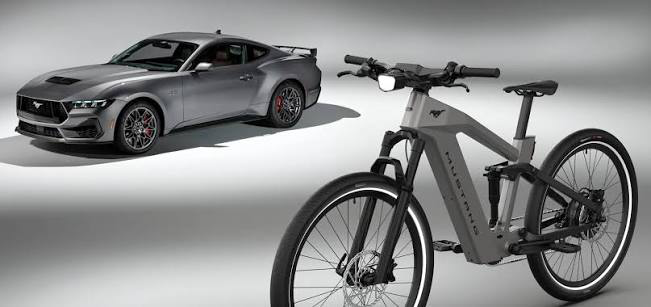
For short daily errands and local commutes, e-bikes offer massive financial advantages over passenger vehicles.
| Expense Category | Traditional Passenger Car | Electric Bike |
| Upfront Purchase | $20,000 – $45,000 (Average) | $1,000 – $3,500 |
| Fuel / Power Cost | $150 – $300 per month | $2 – $5 per month |
| Parking Expenses | High (City garages, meters) | Free (Standard bike racks) |
| Routine Maintenance | High (Oil changes, tires, engines) | Low (Brake pads, chains, tires) |
4. Integrating E-Bikes into Your Daily Routine
You don’t need to sell your car to experience the benefits of an e-bike. Most owners start by replacing specific short-distance trips—typically those under five miles—where driving and parking take more time than the trip itself.
- The Weekend Errand Run: Attach panniers or a rear basket to easily transport groceries from local markets.
- The Multimodal Commute: Many modern e-bikes feature folding frames, allowing riders to combine cycling with public transit like trains or subways.
- School Drop-offs: Cargo e-bikes designed with passenger seats are rapidly replacing SUVs for local school runs.
5. The Future of Urban Mobility
As cities invest heavily in protected bike lanes, public charging hubs, and traffic-calming infrastructure, the shift toward micro-mobility is accelerating. Electric bikes fill the critical gap between walking and heavy motor vehicle travel, delivering a faster, healthier, and far more sustainable way to navigate modern cities.
Related Post