Defending Your Nest Egg: A Complete Guide to Modern Social Security Fraud
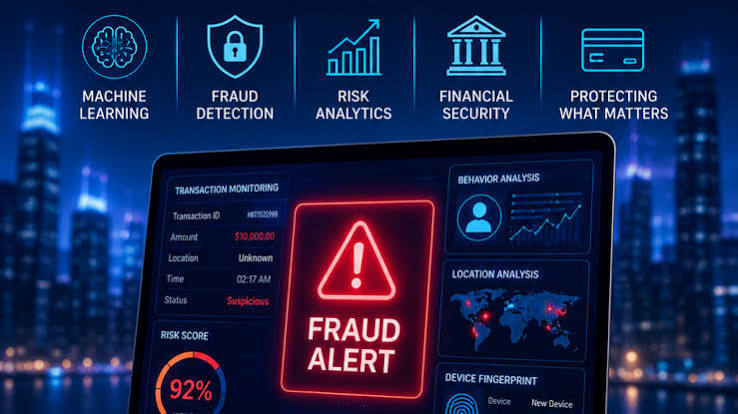
Retirees across the United States are facing an unprecedented surge in sophisticated financial exploitation. According to recent federal law enforcement data, reports of older adults losing over $100,000 to fraud increased nearly sevenfold between 2020 and 2024, while total losses in high-value cases spiked eightfold.
This shift marks a fundamental change in criminal strategy: scammers have moved away from small-time theft to systematically target life savings, 401(k) balances, and home equity.
How Modern Social Security Scams Work
Social Security scams are no longer simple phishing attempts; they have evolved into highly coordinated financial attacks. Federal data reveals that between 2020 and 2024, reports of older adults losing over $100,000 to fraud increased nearly sevenfold, while total losses in high-value cases spiked eightfold. Scammers are no longer after pocket change—they are systematically targeting life savings, 401(k) accounts, and home equity.
To help protect your retirement accounts, here is how these modern financial scams operate, why traditional red flags are changing, and what concrete steps you must take to secure your money.

Analyzing the Shift in Target Demographics and Financial Threats
Recent law enforcement and consumer protection data highlights a dramatic acceleration in financial exploitation targeting older Americans. Between 2020 and 2024, federal reporting mechanisms recorded a more than fourfold increase in senior fraud reports involving losses exceeding $10,000. This metric reflects a structural shift in criminal strategy: transnational fraud syndicates have largely abandoned low-value, subscription-style theft in favor of high-yield attacks designed to drain entire 401(k) accounts, home equity, and retirement portfolios.
This financial escalation relies heavily on multi-channel social engineering tactics:
- Manipulated Urgency Hooks: Scammers align outreach with seasonal financial events—such as tax deadlines or annual Social Security benefit adjustments—to exploit heightened awareness surrounding personal finances.
Fox Business - Brand Spoofing and Malware Phishing: Cybercriminals deploy unsolicited SMS messages and email templates featuring exact replicas of Social Security Administration seals. Embedded links frequently lead to credential-harvesting landing pages or execute drive-by malware downloads intended to bypass multi-factor authentication.
- Exploitation of Untraceable Liquidation Channels: Once psychological control is established, perpetrators pressure targets into converting liquid assets into non-reversible payment methods, including physical gold bullion, cryptocurrency kiosks, wire transfers, or retail gift cards.
AARP
The surge in individual loss severity is particularly severe. Reports of seniors losing $100,000 or more in a single incident have increased nearly sevenfold over a four-year window. Beyond immediate capital destruction, these high-value losses compromise long-term solvency, healthcare access, and housing security for affected retirees.
Analyzing the Surge in High-Value Senior Financial Fraud
Federal law enforcement reporting reveals a severe escalation in high-stakes financial exploitation targeting retirees. Between 2020 and 2024, incidents where older adults reported losses exceeding $100,000 increased nearly sevenfold. This metric underscores a deliberate strategic shift by organized cybercrime networks, transitioning from low-dollar phishing campaigns to complex operations designed to systematically deplete 401(k) holdings, investment portfolios, and primary liquid assets.
High-Value Loss Metrics (2020–2024)
- $10,000+ Loss Reports: Quadrupled over the four-year evaluation window.
- $100,000+ Loss Reports: Increased nearly sevenfold within the same timeframe.
- Cumulative Dollar Losses: Total capital stolen in high-value ($100,000+) cases spiked eightfold.
Operational Mechanics of High-Yield Fraud
The disproportionate growth in total financial loss relative to total report volume highlights the increasing efficiency of modern social engineering schemes. Perpetrators frequently leverage seasonal events—such as tax filing windows or annual benefit cost-of-living adjustments (COLA)—to deploy convincing impersonation schemes.
By replicating official agency seals and establishing artificial time constraints, scammers induce severe cognitive overload, prompting victims to bypass institutional security protocols.
Maintaining long-term financial security requires treating visual presentation as insufficient proof of authenticity. Official Social Security Administration communications strictly originate from authenticated .gov email domains and will never demand asset transfers or non-traditional payment methods.

Authenticating Social Security Communications: Detecting Phishing Tactics
Cybercriminals routinely exploit the visual branding of federal agencies to bypass cognitive defenses. By replicating official seals, blue-and-white government color schemes, and formal administrative typography, fraudulent outreach creates a false impression of legitimacy. However, visual design is trivial to duplicate; verifying authenticity requires evaluating structural technical indicators.
Domain Authentication Rules
The single most reliable indicator of legitimacy in electronic correspondence is the sender’s top-level domain (TLD):
| Attribute | Official Government Outreach | Fraudulent Phishing Email |
| Domain Suffix | Strictly ends in .gov (e.g., @ssa.gov) | Ends in .com, .net, .org, or lookalike domains (e.g., .gov-secure.org) |
| Email Protocol | Authenticated via SPF, DKIM, and DMARC standards | Unverified origin, often hiding actual sender headers behind display names |
| Link Targets | Directs exclusively to official .govsubdomains | Points to third-party shorteners, IP addresses, or fraudulent credential harvesters |
If an email display name reads “Social Security Administration” but originates from any domain other than an official .gov address, the message is fraudulent regardless of its visual appearance.
Technical Mechanics of the “Statement Update” Phishing Trap
A primary distribution vector involves unsolicited emails claiming that an updated benefit statement or annual cost-of-living adjustment (COLA) record is ready for review. These messages typically feature embedded call-to-action buttons (e.g., “View Your Benefits”) or malicious attachments disguised as PDF documents.
Interacting with these malicious elements creates two immediate threat vectors:
- Credential Harvesting: Embedded hyper-links redirect recipients to spoofed landing pages designed to capture full legal names, Social Security numbers, dates of birth, and online banking credentials.
- Drive-By Malware Execution: Malicious attachments or scripts silently install keystroke loggers or remote access trojans (RATs) configured to bypass two-factor authentication (2FA) protocols on financial accounts.
Defensive Verification Protocol
To safely inspect account activity or review annual benefit statements, navigate directly to the official portal by manually typing ssa.gov into your web browser or accessing an established social security account. Never utilize links or attachments contained within unsolicited emails. Additionally, any demand for asset transfers via non-traceable channels—including cryptocurrency, gift cards, or precious metals—represents definitive proof of criminal activity.
Mitigating the “Statement Update” Email Phishing Scheme
Among the most prevalent phishing tactics targeting retirees is the fake benefit statement notification. Cybercriminals construct emails designed to mimic routine administrative updates from the Social Security Administration, employing spoofed agency logos, formal typography, and urgent call-to-action messaging.
| ANATOMY OF A STATEMENT PHISHING TRAP | |
| Malicious Email Element “View Benefits” Button Fake Login Screen Disguised Attachment | Threat Mechanism Redirects to phishing portal Steals banking credentials Installs keylogger malware |
Threat Vectors and System Exploitation
The primary vector in these campaigns is an embedded hyperlink—often stylized as a button labeled “View Your Statement” or “Check Benefit Changes”. Interacting with these malicious elements exposes users to two distinct security risks:
- Credential Harvesting Sites: The embedded link redirects users to an unauthorized, third-party web server configured to replicate the my Social Security login interface. Information entered into these landing pages—including full legal names, Social Security numbers, and portal passwords—is captured directly by unauthorized third parties.
- Malicious Payload Delivery: In alternative variations, clicking the link or downloading an attached file (disguised as an official PDF document) executes a background script. This software can install keyloggers or remote access tools that bypass basic browser security protocols and monitor active financial transactions.
Verification and Safe Access Standards
Authenticating agency correspondence relies on structural technical indicators rather than visual appearance. Legitimate electronic mail from the Social Security Administration originates exclusively from authenticated .gov email domains.
To securely inspect account statements or verify benefit details, adopt a zero-trust approach to embedded email links: navigate directly to the official portal by typing ssa.gov into your web browser or accessing a pre-saved bookmark for your personal my Social Security account.
Non-Traditional Payment Demands: Primary Indicators of Imposter Fraud
Federal oversight bodies—including the Federal Trade Commission (FTC) and the Social Security Administration Office of the Inspector General (SSA OIG)—designate requests for non-traditional payment methods as definitive proof of criminal financial exploitation. Legitimate federal agencies communicate through established administrative procedures and do not request asset transfers via untraceable payment channels.
Non-Traditional Payment Methods Utilized in Financial Fraud
| Payment Mechanism | Fraudulent Exploitation Vector | Safeguard Evasion Strategy |
| Retail Gift Cards | Scammers instruct targets to purchase physical cards and transmit activation codes. | Bypasses institutional bank teller interviews and anti-money laundering (AML) monitoring. |
| Precious Metals (Gold/Silver) | Perpetrators direct victims to liquidate accounts and deliver physical bullion. | Irreversible transfer of physical wealth outside electronic tracking channels. |
| Cryptocurrency Assets | Victims are coerced into converting cash via public Bitcoin ATMs or private wallets. | Leverages pseudonymous blockchain transactions to prevent wire recall or asset freezing. |
If an individual claiming agency representation instructs you to purchase gift cards, transfer cryptocurrency, or deliver physical precious metals, terminate contact immediately and submit a report to ReportFraud.ftc.gov or the SSA OIGportal.
Safeguarding Retirement Accounts and Liquid Assets During Seasonal Fraud Surges
Tax season aligns with a measurable increase in high-yield social engineering campaigns targeting 401(k) accounts, IRA balances, and primary liquid assets. Cybercriminals systematically exploit seasonal administrative dead-lines and filing stress to deploy multi-channel impersonation schemes involving email, SMS messaging, voice calls, and malicious social media outreach.
Identification of Multi-Channel Spoofing Tactics
To bypass individual skepticism, threat actors execute coordinated campaigns across multiple digital channels:
- Domain Impersonation: Email outreach utilizes forged header information and lookalike display names. Authentic electronic correspondence from government bodies strictly originates from validated top-level domains ending in .gov (e.g., @irs.gov or @ssa.gov).
- Credential Harvesting Sites: Links within unsolicited messages direct users to spoofed web portals designed to log multi-factor authentication (MFA) tokens and account access credentials.
Consumers National Bank - Malicious Payloads: Attached documentation or embedded scripts execute drive-by downloads, placing remote keyloggers on user hardware to monitor financial transactions.
Emergency Incident Response: Immediate Protocol for Suspected Financial Exploitation
Detecting a potential security breach or social engineering attempt requires immediate, systematic containment actions to limit asset loss, secure digital identities, and preserve forensic evidence for law enforcement investigation.
Direct Domain Navigation: Never interact with embedded links or attachments in unsolicited electronic communications. Manually input verified agency URLs (such as irs.gov or ssa.gov) directly into browser address bars.
Out-of-Band Call Termination: If an unsolicited incoming caller pressures you to liquidate or transfer funds from a 401(k) or bank account, terminate the call immediately. Contact your financial institution and the agency directly using verified, independent phone numbers.
Consumers National Bank
Multi-Factor Authentication (MFA): Enforce hardware-key or authenticator-app-based MFA across all primary retirement and banking portals to block unauthorized access even if login credentials are compromised.
Frequently Asked Questions (FAQ)
Does the Social Security Administration ever initiate phone calls?
The SSA rarely makes unexpected phone calls. Generally, the agency communicates through official mail sent via the U.S. Postal Service. If an agency representative does call, it is typically in response to an ongoing application or a previously scheduled appointment.
Why do scammers prefer retail gift cards and precious metals over bank wires?
Bank wire transfers generate digital paper trails and are subject to immediate administrative holds or recalls by financial institutions. Retail gift cards and physical gold operate as untraceable cash equivalents, bypassing institutional fraud detection systems entirely.
What is the safest way to review my Social Security statement?
Never click links embedded in unexpected emails or text messages. Navigate directly to the official portal by manually entering ssa.gov into your web browser and logging into your personal social security account.
Summary: Establishing Long-Term Verification Frameworks
Preventing senior financial exploitation requires shifting from passive awareness to active institutional verification protocols. Because modern imposter schemes utilize highly convincing digital spoofing, visual authenticity—such as replicated government logos, agency color schemes, and official seals—must be treated as insufficient proof of legitimacy.
Core Preventative Standards
- Zero-Trust Communication Rule: Treat all unsolicited outreach claiming to represent federal agencies as unverified. Never interact with hyperlinked attachments or embedded action buttons within unexpected correspondence.
- Domain & Channel Isolation: Authenticate electronic correspondence exclusively via top-level .gov domains. Verify account alerts independently by manually navigating to ssa.gov or contacting verified agency phone numbers.
- Refusal of Non-Recourse Assets: Recognize that demands for immediate payment via cryptocurrency, retail gift cards, wire transfers, or physical precious metals represent definitive proof of imposter fraud.
Maintaining long-term financial security depends on enforcing consistent, out-of-band verification procedures before executing any asset transfers or disclosing personal identity credentials.
Related Post