Gaming PCs are getting faster and more fun every year. Whether you’re just starting or upgrading, the latest rigs can make a huge difference in how your games feel.
Table of Contents
- What to Look for in a Gaming PC
- Top Hardware and Accessories
- Tips for Getting the Right Setup
- Summary
What to Look for in a Gaming PC
Honestly, the first thing you notice about a gaming PC is speed. You don’t want to wait minutes for a game to load. SSDs are almost standard now, and they make a huge difference. Some rigs boot up so fast it feels like magic.
Graphics cards are the real heart of the setup. NVIDIA and AMD keep pushing out new models every year. You can get 4K visuals, ray tracing, or buttery smooth frame rates. You know that feeling when a game just looks real? That’s what these cards deliver. And don’t forget RAM 16GB is usually plenty, but 32GB is starting to pop up in high-end rigs.
The CPU matters too. Intel’s latest chips and AMD Ryzen processors both handle gaming well. Honestly, it’s the combo of CPU and GPU that makes or breaks the experience. You can have a beast of a graphics card, but if the CPU can’t keep up, you’ll notice stutters.
Top Hardware and Accessories
Once you know what’s inside, accessories make the whole experience better. Monitors, for example, are huge. High refresh rates and low response times matter if you’re into shooters or racing games. A 144Hz monitor can feel like a completely different world compared to a 60Hz screen.
Keyboards and mice might seem small, but they change how you play. Mechanical keyboards have that clicky feel that’s satisfying, and gaming mice offer extra buttons and precision. Some people even customize their setups with RGB lights honestly, it’s not just for show; it can help you track keys in the dark.
Other accessories like headsets, external drives, and cooling solutions also add a lot. You might think, “Do I really need a fancy headset?” Well, if you play online multiplayer games, clear audio can actually make a difference. You hear footsteps before your opponent sees you, and that’s pretty useful.
- Monitor:High refresh rate, low lag, maybe 1440p or 4K.
- Keyboard & Mouse:Mechanical, precise, sometimes customizable RGB.
- Headset:Good audio quality for immersion and competitive edge.
- Storage:Extra SSDs or HDDs for games and media.
Tips for Getting the Right Setup
Buying a gaming PC can feel overwhelming. There are so many specs and brands. Here’s what helps:
- Decide on your budget first high-end rigs are tempting, but mid-range can still handle most games.
- Check reviews and benchmarks. You want real-world performance, not just numbers on a spec sheet.
- Consider pre-built vs. custom. Pre-built is easier, custom can get you better parts for your money.
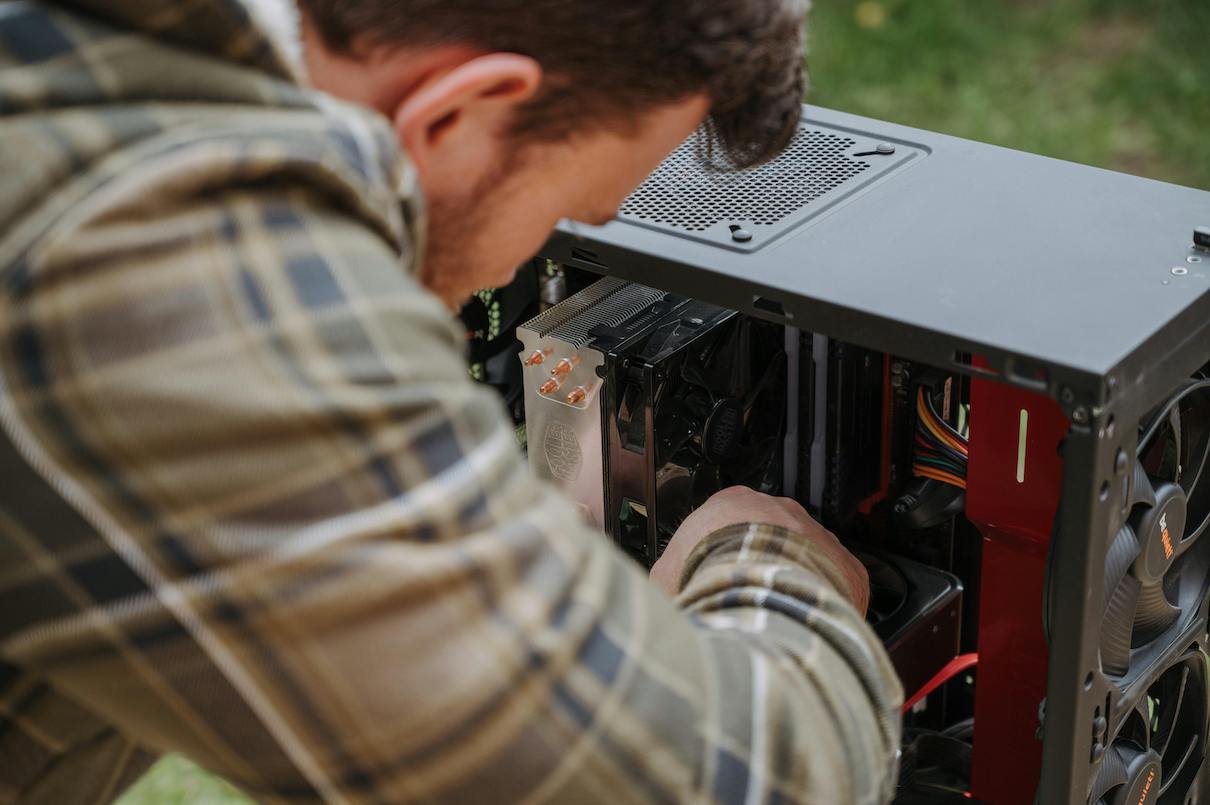
- Think about upgrades. Make sure your case has room for a bigger GPU or extra storage later.
Also, don’t ignore software. Drivers, game clients, and even utilities like MSI Afterburner can help you manage performance. You’d be surprised how much difference a simple driver update can make.
Lastly, think about comfort. A good chair, proper desk height, and cable management may seem small, but they affect how long you can play without getting tired or frustrated.
Summary
The latest gaming PCs offer more than just speed they bring games to life. From fast SSDs to powerful GPUs, high-refresh monitors, and precision accessories, every part plays a role. You can go big with top-tier components or smart mid-range setups, and either way, you get a noticeable boost over older machines. It’s not just about playing; it’s about feeling the game, seeing every detail, and enjoying it without lag. A solid setup, proper accessories, and some attention to comfort make a gaming PC that’s fun every time you turn it on. Honestly, once you experience a modern rig, going back feels like stepping into the past.