
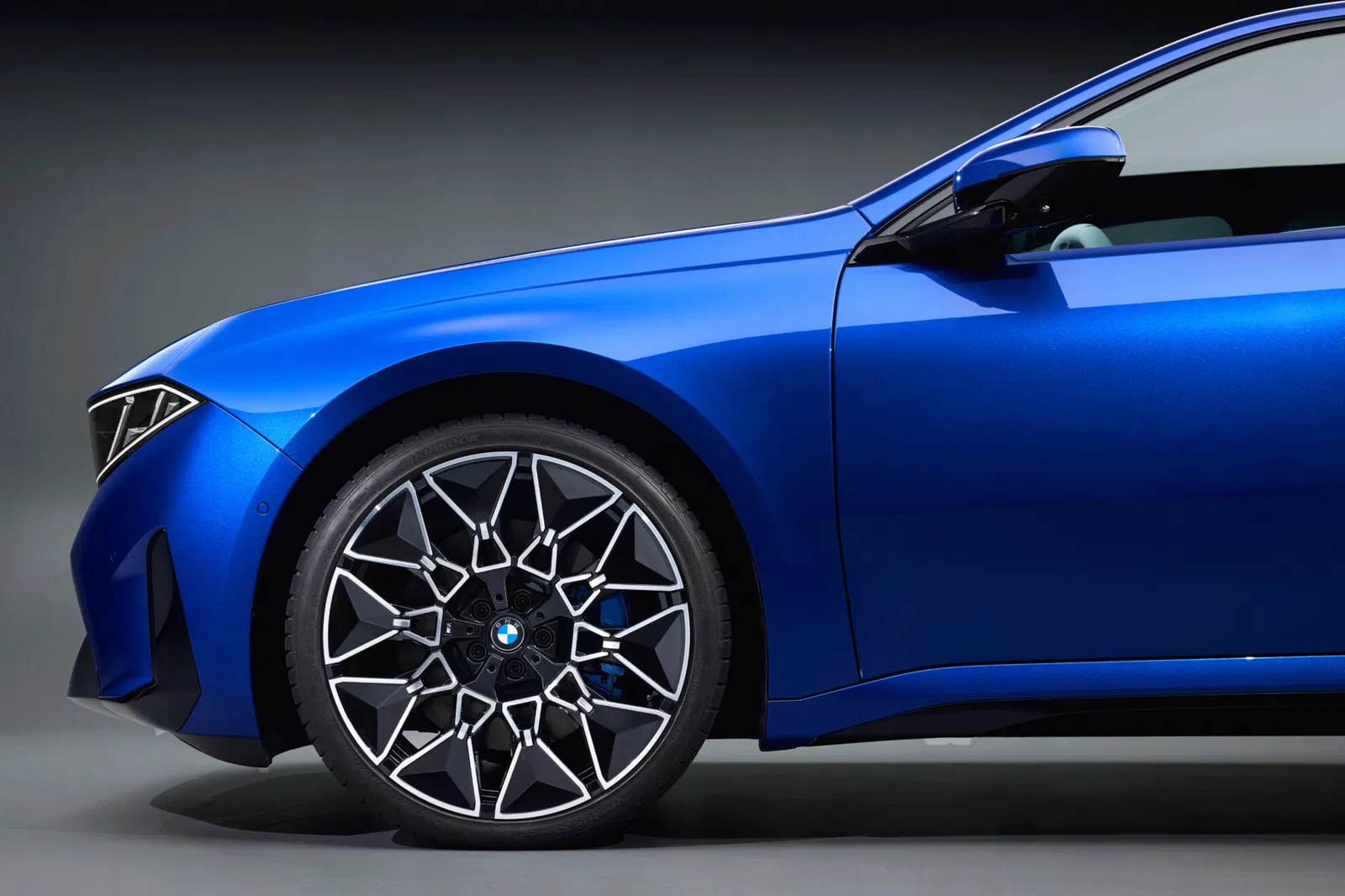
The 2027 BMW i3 has officially been revealed as the brand’s first “Neue Klasse” (New Class) sedan, and it is a massive departure from the quirky, carbon-fiber hatchback of the 2010s. Instead, this i3 is effectively the all-electric successor to the 3 Series.
Unveiled on March 18, 2026, it aims to reclaim BMW’s title in the EV race with class-leading range and a radical tech overhaul.
⚡ Performance & Range
The headline figure is the range, which significantly outpaces many current competitors like the Tesla Model 3.
- Range: Up to 900 km (approx. 560 miles) WLTP or an estimated 440 miles EPA.
- Charging: An 800-volt architecture allows for 400 kW DC fast charging, capable of adding 400 km of range in just 10 minutes.
- Launch Model (i3 50 xDrive): A dual-motor AWD setup producing 463 hp and 476 lb-ft of torque, hitting 0–100 km/h in under 5 seconds.
- “Heart of Joy”: A new central “superbrain” computer that controls driving dynamics, braking, and steering with 10x faster response times than previous systems.
Forget everything you thought you knew about the BMW i3. If you’re still picturing that quirky, tall-roofed hatchback with the skinny bicycle tires, you need to wipe that image from your brain immediately. The 2027 bmw i3 is something else entirely. It is the sleek, low-slung, high-performance electric 3 series that enthusiasts have been begging for since the first Tesla Model 3 hit the streets, finally offering a legitimate German alternative to the Silicon Valley status quo.
This isn’t just a battery swap in an old frame. BMW is betting its entire legacy on the Neue Klasse sedan architecture, a clean-sheet design that finally lets an electric vehicle handle like a real driver’s car. With the BMW i3 50 xDrive pumping out a massive 463 horsepower, this sedan isn’t just keeping up with its gas-powered siblings. It’s actually threatening to leave them in the dust.
Inside, the tech is just as radical. You won’t find the usual tablet glued to the dashboard here. Instead, a massive BMW Panoramic Display stretches across the entire base of the windshield to change how you see the road and your data. We are going to break down why this specific model marks the end of the controversial vertical grille era and why the new platform is a total game changer for legroom and handling.
From the torque-heavy AWD system to the “shy tech” buttons that only appear when you need them, there is a lot to unpack. Whether you are a die-hard Bimmer fan or just looking for your next luxury EV, this car deserves your attention. BMW is purging its past to build a better future.
Forget the Hatchback: The 2027 BMW i3 is a High-Performance Evolution
Remember the original BMW i3? It was a quirky, tall hatchback with skinny bicycle tires that looked more like a science project than a luxury car. Forget it. Seriously, wipe the slate clean. The 2027 BMW i3 isn’t a sequel; it is a total reimagining that transforms the nameplate into a sleek, high-performance sports sedan.
BMW is finally moving past the era of “weird” EVs. This is the Neue Klasse, a term that signals a complete reset for the brand. While the gas-powered 3 Series sticks to its traditional bones for now, the electric i3 gets the cutting-edge KKL architecture. This isn’t just a technical detail. It means the electric version is no longer the underdog. With a wheelbase nearly two inches longer than the current 3 Series, this car has a stance that commands respect rather than curiosity. It looks planted. It looks fast. It looks like a BMW should.
The numbers back up the attitude. We are looking at a 50 xDrive model that pumps out 463 hp and 476 lb-ft of torque. That is near-M3 level performance. Inside, the “shy tech” philosophy keeps things clean and intentional. You get a massive 43.3-inch Panoramic iDrive screen, but buttons only illuminate when they are actually functional. It is sophisticated, not cluttered. Think of it this way: BMW is essentially admitting that the electric future shouldn’t look like a science experiment, but rather a refined evolution of the driving machine.
Key insights:
- Death of the Quirky EV: BMW is intentionally killing the “quirky EV” trope to position the i3 as its flagship performance icon.
- Platform Superiority: The separation of architectures suggests that BMW views the electric model as the premium, high-tech leader over its internal combustion siblings.
- Design Redemption: Moving to a horizontal “shark-nose” design marks a retreat from recent controversial styling choices, favoring a look that feels both futuristic and classically BMW.
These strategic shifts demonstrate that the 2027 BMW i3 is designed to win over the purists who previously feared that electrification would kill the brand’s soul.
But wait, the performance isn’t just about straight-line speed. It is about how this new architecture changes the very soul of the drive. By placing the heavy battery packs low in the chassis and utilizing a dedicated EV platform, the engineers have achieved a center of gravity that makes the car feel incredibly agile through tight corners. This isn’t just a heavy sedan with a big motor; it is a precision tool that proves the electric era can be just as engaging as the golden age of high-revving engines.
The Neue Klasse Shift: More Than Just a New Look
Forget everything you remember about the old BMW i3. That quirky, tall hatchback with the bike-thin tires was a bold experiment, but it isn’t the father of this new beast. The 2027 BMW i3 is something entirely different. It represents a massive pivot for the brand. By moving to the NA0 architecture, also known as KKL, BMW is finally giving its electric sedan a dedicated foundation rather than trying to make it share a bed with internal combustion engines. This is a clean-sheet design. It means every single inch of the car was built around a high-density battery pack rather than an exhaust pipe.
You will notice the difference the moment you see it on the road. The wheelbase is nearly two inches longer than the current gas-powered 3 Series. That might sound like a small number on paper. In reality, it changes the entire stance of the car. It pushes the wheels to the corners and creates a silhouette that looks planted, aggressive, and ready to pounce. While the gas-powered models will stick to the older CLAR platform for now, the i3 is sprinting into the future alone. BMW is intentionally distancing this car from its predecessor because they want you to purge your memory of the old “i3 toad” and see this as the new standard-bearer for the Roundel brand.
Think of it this way: BMW is no longer trying to please everyone with one single chassis. By splitting the development, they can let the gas 3 Series stay conservative for the traditionalists while the electric i3 explores what is actually possible with modern tech. The deck seems stacked in favor of the electric one. It gets the better packaging, the more advanced tech, and a footprint that makes the current 3 Series look a bit cramped by comparison.
Key insights define this transition:
- The shift to KKL architecture proves BMW is prioritizing the EV experience over legacy gas-car layouts to maximize efficiency.
- Longer wheelbases provide more than just stability; they fundamentally redefine interior luxury and legroom for every passenger.
- Moving back to horizontal design elements suggests BMW is listening to its enthusiast base while still pushing digital boundaries.
Ditching the ‘Beaver Teeth’ for a Classic Shark Nose
Let’s be honest: those massive, vertical kidney grilles were hard to love. Critics called them “beaver teeth,” and the internet never let BMW forget it. Thankfully, the 2027 BMW i3 marks a radical departure from that polarizing era. BMW is finally pivoting back to a sleeker, more aggressive shark nose profile that feels both nostalgic and refreshingly modern. This isn’t just a quick nip and tuck. The entire front fascia has been reimagined around a horizontal lighting signature that stretches wide, giving the car a low-slung, planted look that screams performance.
At the heart of this visual reset is a virtual grille screen. Since there is no combustion engine huffing for air, the traditional mesh is gone. In its place sits a digital canvas that acts as the car’s face. It can play animations or display unique lighting patterns to greet you as you approach, turning a piece of hardware into a personality trait. But this move toward a minimalist design language isn’t just about winning a beauty pageant. By smoothing out the front end and hiding sensors behind a flush surface, BMW is chasing serious aerodynamic gains. When you’re piloting a machine that produces 463 hp, you want every bit of air to slide over the body rather than fight against it.
Several key insights define this new design direction:
- The shift to a horizontal layout proves BMW is prioritizing timeless aesthetics over the raw shock value of recent vertical grille designs.
- A virtual grille screen turns the front of the car into a communication device rather than just a static piece of plastic.
- The longer wheelbase and shark nose profile work together to bridge the gap between classic BMW heritage and the strict requirements of modern electric efficiency.
Why Architecture Matters: KKL vs. CLAR
BMW is finally drawing a line in the sand. For years, the brand played a difficult game of “one size fits all,” trying to shove massive battery packs into frames originally built for internal combustion engines. It was a compromise that often left drivers with less space and more weight than they bargained for. That era is officially dead. The 2027 BMW i3 rides on the purpose-built KKL architecture—a core pillar of the Neue Klasse family—while the gas-powered 3 Series clings to the aging CLAR platform.
This isn’t just a minor tech upgrade; it’s a total reimagining of what a sport sedan can be. Ever notice that annoying hump in the middle of your current car’s floor? That’s the transmission tunnel, and in the new i3, it’s gone. Because the KKL is a dedicated electric floorpan, the interior is a wide-open sanctuary with a perfectly flat floor. BMW stretched the wheelbase by nearly two inches, which might sound small on paper, but it feels massive once you’re inside. You finally get legroom that rivals a 5 Series in a car that remains nimble and easy to park.
The real magic, however, happens where you can’t see it. The 50 xDrive launch model isn’t just “quick for an EV”—it’s a legitimate powerhouse. We’re talking 463 horsepower and 476 lb-ft of instant torque. With a rear-biased AWD system that sends 63 percent of that grunt to the back wheels, this car is clearly hunting for M3 territory. By giving the electric model the more advanced platform, BMW is shouting its strategy from the rooftops: if you want the absolute peak performance version of their most iconic nameplate, you have to go electric.
Key insights for the 2027 transition:
- Purpose-built EV platforms ditch the awkward design compromises of gas-engine layouts, creating a cabin that feels significantly more spacious.
- By giving the i3 more power and a more sophisticated chassis, BMW is positioning it as the performance flagship rather than just a “green” alternative.
- The combination of a longer wheelbase and a flat floor transforms the car from a cramped sport sedan into a digital-first living space.
The deck is clearly stacked in favor of the electric model this time around, leaving the legacy gas version looking like a relic of the past. This engineering shift ensures the 2027 BMW i3 remains the gold standard for the modern sport sedan.
Performance That Rivals the M3: The 50 xDrive Drivetrain
Forget every single thing you remember about the old BMW i3. That quirky, tall hatchback with the bike-thin tires was a bold experiment, but it never felt like a “real” BMW to the purists. This new 2027 i3 is a completely different animal. It is a sleek, aggressive performance sedan that finally takes the electric fight to the internal combustion icons. In fact, the launch model, known as the 50 xDrive, is stepping directly into territory once reserved for the legendary M3.
The numbers tell a story of pure muscle. We are looking at 463 horsepower and 476 lb-ft of torque right out of the gate. In a traditional gas car, hitting those figures usually involves a screaming turbocharger and a lot of mechanical drama. Here, the power is instant and silent. It is enough to make you realize why some experts feel the deck is being stacked against the gas-powered 3 Series. While the gas models stay on the older CLAR platform, this electric version gets the brand-new Neue Klasse architecture. This isn’t just a battery swap. It is a ground-up reimagining of what a sports sedan can be.
BMW engineers knew they couldn’t just make the car fast in a straight line. It had to feel like a BMW. To get that classic “Roundel” soul, they tuned the drivetrain with a 37/63 percent front-to-rear torque bias. By sending nearly two-thirds of the power to the back wheels, the car maintains that signature rear-drive push. It allows the car to rotate naturally through a corner rather than just pulling you along from the front.
The choice of motors is also quite clever. On the rear axle, BMW opted for externally excited synchronous motors. These are a bit more complex to build because they don’t use permanent magnets, but they offer a huge advantage. They are incredibly efficient at high speeds and don’t rely on rare-earth metals. More importantly for you, they provide a very linear power delivery. It feels less like a golf cart and more like a high-performance engine that just keeps pulling.
When we analyze the mechanical DNA of the 2027 BMW i3, several key insights emerge regarding its performance:
- The 50 xDrive isn’t just a mid-range trim; it’s a performance benchmark that signals the end of the “slow EV” era for BMW.
- By favoring the rear wheels with 63 percent of the torque, BMW is prioritizing driving dynamics over simple all-weather traction.
- The move to externally excited motors shows a long-term commitment to sustainable manufacturing without sacrificing the high-speed capability expected on the Autobahn.
Real-World Handling Expectations
Forget the skinny-tired, quirky i3 of the past. That car was a science experiment; this is a weapon. When you dive into a corner with the 2027 i3, you immediately feel the difference. Because the heavy battery packs sit deep within the Neue Klasse architecture, the center of gravity is significantly lower than a standard gas-powered 3 Series. It changes the physics of every turn. You won’t feel that familiar, nagging body roll when tossing the car into a sharp bend. Instead, the chassis stays remarkably flat, rotating with a level of composure that makes internal combustion engines feel a bit clumsy and top-heavy by comparison.
The front end uses an AC-induction motor, which is a strategic choice for stability. These motors are brilliant because they can freewheel without creating any magnetic drag when you don’t need them, boosting efficiency on the highway. But the second the car detects a loss of grip or you demand full power, that front motor kicks in to stabilize the chassis. It acts like an invisible hand keeping you on your intended line. Combined with a wheelbase that is nearly two inches longer than the current 3 Series, the result is a car that feels incredibly stable at high speeds but surprisingly nimble in the tight stuff.
These engineering choices provide a clear window into how BMW is evolving the driving experience:
- The lower center of gravity creates a genuine “on rails” sensation that effectively masks the vehicle’s actual weight during aggressive transitions.
- Using an induction motor in the front is a smart move for efficiency because it eliminates the parasitic drag common in many permanent-magnet AWD systems.
- While a longer wheelbase usually results in a boat-like feel, the i3 50 xDrive uses its instant electric torque to maintain the agility of a much smaller car.
So, while the gas-powered models stay on the older CLAR platform for now, the i3 is moving into a future where electric power actually makes the car more fun to toss around a backroad. This shift proves that losing the engine doesn’t mean losing the soul of a driver’s car.
A Cabin Defined by ‘Pillar-to-Pillar’ Pixels
BMW wants you to forget everything you think you know about the i3. That quirky, bike-tired hatchback from a few years ago is officially a ghost. In its place stands a performance sedan that feels like it was stripped directly from a concept drawing and put into production. When you climb into the 2027 i3, the first thing that hits you is the glass. A massive 43.3-inch Panoramic iDrive screen spans the entire width of the dashboard from one pillar to the other. It sits right at the base of the windshield. This placement is intentional. By moving the data higher up, BMW essentially turns the bottom of your field of vision into a digital command center. You no longer have to glance down and away from the road to check your range or navigation.
The central hub is just as impressive. A 17.9-inch touchscreen handles the heavy lifting with a resolution of 3,340 x 1,440 pixels. It is incredibly sharp. Because the system is powered by an Amazon-backed voice assistant, you can actually talk to the car without feeling like you are arguing with a robot. It understands natural language. If you tell it you are cold or hungry, it just works.
Managing the car is also a lot less of a headache for families. The Digital Key Plus ecosystem allows up to seven primary users to store their profiles. Think about that for a second. Your seat position, your favorite radio stations, and even your climate preferences follow you. The car recognizes your phone as you approach and sets everything up before you even touch the door handle. It makes the vehicle feel less like a piece of hardware and more like a personalized digital companion. To understand how these features translate to the real world, consider these key insights:
- The panoramic screen effectively replaces the traditional heads-up display by utilizing the entire width of the windshield base for better visibility.
- Amazon-powered voice integration moves away from rigid command structures toward a more fluid and human way of controlling car functions.
- Multi-user digital keys suggest BMW is thinking about the i3 as a shared family asset rather than a single-driver enthusiast car.
The shift to the Neue Klasse architecture allowed BMW to rethink the floor plan entirely. Since there is no transmission tunnel to worry about, the cabin feels airy and open. But with all that open space and massive screens, you might worry about the interior feeling cold or overwhelming. That is where BMW’s clever design philosophy comes into play.
What is ‘Shy Tech’ and Why Will You Love It?
Ever felt like you need a pilot’s license just to change the radio station in a modern car? BMW gets it. With the 2027 i3, they are leaning into a concept called Shy Tech. Think of it as a design philosophy where the technology acts like a world-class butler. It is there the second you need it, but it stays out of sight when you do not. Instead of a dashboard cluttered with plastic switches that gather dust, you get clean, open surfaces. The magic happens the moment you reach out; hidden buttons illuminate through the fabric or wood trim. They only appear when they are functional, disappearing back into the aesthetic of the cabin once the task is done.
This is not just a gimmick to look futuristic. It is a necessary balance for the massive digital footprint inside the Neue Klasse cabin. Consider the hardware involved here. You are looking at a 43.3-inch pillar-to-pillar Panoramic iDrive screen and a central 17.9-inch touchscreen with a massive 3,340 x 1,440 resolution. That is a lot of light and data. Shy Tech provides the “quiet” counterpoint to those pixels. By using haptic feedback and context-aware lighting, BMW creates a tactile experience that feels high-end rather than high-stress. It is a way to manage a car with 463 hp and 476 lb-ft of torque without feeling like you are trapped inside a giant smartphone.
To understand how this shift redefines the driving experience, we can look at several factors that make this interior work:
- Shy Tech solves the “choice paralysis” of modern screens by hiding secondary controls until your hand actually approaches the surface.
- The integration of haptic feedback ensures that even though buttons are hidden, you still get that satisfying physical click that confirms your command.
- This approach allows BMW to use more sustainable and premium materials like Veganza and Econeer upholstery without ruining the look with rows of cheap plastic buttons.
The result is a cabin that feels significantly larger than the current 3 Series, especially since the wheelbase has grown by nearly 2 inches. It is a space designed for humans, not just for users, ensuring the technology serves the driver rather than overwhelming the senses.
Luxury Without the Leather: A New Take on Interiors
Close your eyes and think about the last time you sat in a high-end luxury sedan. You probably expected the heavy, unmistakable scent of cowhide to hit you immediately. But with the 2027 BMW i3, that expectation is getting a serious reality check. BMW is leaning hard into a future where premium doesn’t have to mean animal skin, and this isn’t just a gimmick to save the planet. It represents a fundamental shift in how we experience the cabin.
Because the i3 sits on the new KKL architecture, the wheelbase has stretched by nearly two inches compared to the current gas-powered 3 Series. That extra room matters. It gives the new material themes space to breathe. You will find four distinct flavors here: Essential, Contemporary, M Design, and Individual. Each one feels more like a curated room in a modern home rather than just a standard car seat.
The materials themselves tell a fascinating story. For those who want something fresh, there is Econeer and Veganza. Econeer is the starting point, but calling it a base material feels like a disservice to its quality. Then there is M PerformTex, which shows up in the M Design theme. It is grippy, technical, and looks the part. It fits the car’s personality perfectly, especially since the 50 xDrive model is pumping out 463 horsepower. You need a seat that actually holds you while you are enjoying that instant electric torque.
Of course, the materials are only half the battle. The tech has to match the vibe. A massive 43.3-inch Panoramic iDrive screen now spans the entire dash from pillar to pillar. It is paired with a central touchscreen boasting a crisp 3,340 x 1,440 resolution. To keep the cabin from looking like a cluttered electronics store, BMW uses what they call shy tech. These are buttons that stay hidden and dark until you actually need them. It makes the whole interior feel calm, quiet, and incredibly purposeful.
But what about the purists? BMW is not quite ready to alienate the folks who live and die by high-end leather. That is why the BMW Individual theme still offers Merino leather as an option. It is a smart move. It acknowledges that while the world is moving toward sustainability, luxury is still fundamentally about having a choice.
To understand how this cabin evolution changes the driving experience, consider these key insights:
- The interior design prioritizes visual calm by using shy tech to hide buttons until they are contextually relevant to the driver.
- Moving to a longer wheelbase allows for a lounge-like atmosphere that the old i3 hatchback could never achieve.
- Sustainability is now being marketed as a high-performance choice through materials like M PerformTex rather than just a green alternative.
This focus on tactile luxury and massive screens sets a high bar, but it also raises a question about how all this power actually feels once you get behind the wheel and hit the open road.
Why the 2027 BMW i3 is the Electric 3 Series We’ve Been Waiting For
The Verdict: Is the Electric i3 Better Than the Gas 3 Series?
Let’s be real for a second. For decades, the gas-powered 3 Series was the untouchable gold standard of sport sedans. It was the benchmark every other manufacturer tried—and usually failed—to replicate. But as we look toward the arrival of the 2027 BMW i3, that crown is definitely slipping. Frank Markus from MotorTrend put it bluntly when he suggested the deck is now stacked heavily in favor of the electric model. This isn’t just a simple battery swap or a lazy green marketing exercise; it is a complete, ground-up reimagining of what a BMW should be in a digital age.
The biggest factor here is the bones of the car. While the gas-powered 3 Series is sticking with the reliable but aging CLAR architecture, the i3 is jumping onto the cutting-edge Neue Klasse platform, also known as KKL. Think of it like comparing a beautifully refurbished historic home to a custom-built modern masterpiece. Because it is built from the floor up for electric power, the 2027 BMW i3 gets a wheelbase that is nearly two inches longer than the current gas model. That translates to a smoother ride and a cabin that feels much more spacious than the exterior dimensions suggest, proving that smart packaging beats raw size every time.
The performance numbers tell an even more aggressive story. The launch model, the i3 50 xDrive, pumps out 463 horsepower and 476 lb-ft of torque. That is near-M3 power delivered with the instant, neck-snapping torque that only electric motors can provide. While the gas 3 Series will still offer that familiar engine growl, it simply won’t keep up with the digital precision of the i3 AWD system. This system uses a smart 37/63 percent torque bias to make sure the car still feels like a classic rear-wheel-drive BMW when you throw it into a sharp corner.
BMW is also using this shift to fix some of its recent design mistakes. We can finally say goodbye to the controversial “beaver-teeth” grilles that have polarized fans for years. The new i3 features a sleek shark-nose face and a horizontal lighting display that feels much more sophisticated and aerodynamic. Inside, the tech is lightyears ahead of the current lineup. You are looking at a massive 43.3-inch panoramic screen that stretches across the entire dashboard. It even features “shy tech” buttons that stay hidden until you actually need them, making the traditional gas-powered interior look a bit cluttered and old-fashioned by comparison.
To understand why this shift is so pivotal for the brand, consider these key insights into BMW’s new direction:
- The i3 is the new performance flagship. With 463 hp, it is being positioned as the premium choice for drivers who want M-level speed without the premium gas bill.
- Architecture dictates the experience. The KKL platform allows for a longer wheelbase and better interior packaging that the gas-powered CLAR frame simply cannot match.
- This is a total brand reset. BMW is intentionally moving away from the quirky, experimental look of the original i3 “toad” to create a mainstream electric icon that looks as fast as it drives.
So, who should actually wait for the 2027 BMW i3? If you are a tech enthusiast who wants the absolute latest in UI design and raw, effortless acceleration, the wait will be worth every second. However, if you still find comfort in the mechanical rumble of an internal combustion engine or if your local charging infrastructure is a nightmare, the gas 3 Series remains a very capable, if slightly more conservative, companion. But make no mistake, the electric version is where BMW is putting its heart and its best engineering for the future.
Common Questions About the 2027 BMW i3
Forget everything you think you know about the i3. If your mind immediately jumps to that quirky, tall hatchback with the skinny “bicycle” tires, you need to hit the reset button. The 2027 BMW i3 isn’t a sequel to that experimental city car; it is a ground-up reimagining of the legendary 3 Series sedan for the electric age. BMW is essentially purging the “toad-like” proportions of the past to make room for a sleek, low-slung performance machine that aims to be the brand’s new North Star.
So, why the name confusion? It’s a bit of a branding gamble. By using the i3 badge for this sedan, BMW is aligning its electric lineup with its traditional numbering system. But the hardware underneath is worlds apart from the gas-powered 3 Series. While the internal combustion version will stay on the older CLAR platform, the electric i3 sits on the brand-new “Neue Klasse” architecture. This isn’t just a battery swap. It’s a total shift in how the car is built, resulting in a wheelbase nearly two inches longer than the current 3 Series. That extra space goes straight to your legs and creates a much more open, airy cabin.
The performance numbers are where things get serious. The launch model, the 50 xDrive, is expected to pump out 463 hp and 476 lb-ft of torque. That is a massive leap. We are talking about “near-M3” levels of power in a standard production electric sedan. Because it uses an 800V architecture, charging won’t be the chore it used to be. You can expect significantly faster speeds at DC fast chargers, likely cutting your wait times down to about 20 minutes for a substantial top-up.
Inside, the tech is just as aggressive. There is no traditional gauge cluster. Instead, a massive 43.3-inch “Panoramic Vision” screen spans the entire width of the dashboard. It’s paired with a 17.9-inch central touchscreen that boasts a crisp resolution of 3,340 x 1,440 pixels. BMW is also leaning into “shy tech,” where buttons only light up when you actually need them. It’s a clean, minimalist approach that feels more like a high-end lounge than a cockpit.
Key insights regarding the 2027 BMW i3 evolution and design:
- BMW is moving away from its controversial “beaver-tooth” vertical grilles in favor of a wider, horizontal “shark-nose” face that feels more classic yet futuristic.
- The electric i3 is being positioned as the true performance leader of the 3 Series family, leaving the gas models to play a more conservative, secondary role.
- Sustainability is moving into the mainstream with “Veganza” leather-like upholstery and “Econeer” fabrics, proving that luxury doesn’t have to mean traditional cowhide.
Think of it this way: the 2027 i3 is the car BMW fans have been asking for since the first Tesla Model 3 hit the streets. It’s a proper driver’s car that happens to be electric, rather than a science project that happens to be a BMW. So, when can you get one? Expect the official reveal soon, with the first units likely hitting driveways in late 2026 or early 2027.
Frequently Asked Questions
Is the 2027 BMW i3 the same car as the old i3 hatchback?
Not at all. In fact, you should probably try to forget everything you remember about the original i3. That car was a quirky, tall hatchback with skinny tires that looked like a science experiment. This new 2027 model is a sleek performance sedan meant to be the new face of the brand. BMW is moving away from the niche “city car” vibe and turning the i3 into a legitimate electric version of the legendary 3 Series. It is built on a completely different platform called Neue Klasse, which is designed specifically for EVs.
How much horsepower does the 2027 BMW i3 50 xDrive have?
The 50 xDrive launch model is coming out of the gate with 463 horsepower and 476 lb-ft of torque. That is a massive jump in performance. To put that in perspective, you are looking at power levels that rival the current M3. Because it uses an all-wheel-drive system that sends more power to the back wheels, it should handle like a true sports sedan rather than just a heavy battery on wheels. It is clear that BMW wants the electric model to be the performance leader of the lineup.
What does the interior look like inside the new i3?
The interior is basically a digital cockpit from the future. You get a massive 43.3-inch screen that stretches across the entire dashboard from one pillar to the other. There is also a 17.9-inch central touchscreen with a resolution that is likely sharper than your laptop. But here is the cool part. BMW is using something called Shy Tech. This means many of the buttons are hidden and only light up when you actually need them. It keeps the cabin looking clean and modern instead of being cluttered with plastic switches.
How is this car different from the gas-powered 3 Series?
They might look similar from a distance, but they are built on two completely different foundations. The electric i3 uses the advanced KKL architecture, while the gas-powered 3 Series will stay on the older CLAR platform. What this means for you is more space. The electric i3 has a wheelbase that is nearly two inches longer than the current gas model. That extra length usually translates to more legroom and a smoother ride. BMW is definitely stacking the deck in favor of the electric version when it comes to technology and design.
What kind of materials are used for the upholstery?
BMW is leaning heavily into sustainable luxury for this generation. You have four main themes to choose from. There is a base fabric called Econeer and a high-quality leather alternative called Veganza. If you want something sportier, the M Design theme uses a mix of Veganza and a technical fabric called PerformTex. For those who still want the traditional feel, you can still get high-end Merino leather through the BMW Individual program. It is all about giving you options that feel premium without necessarily relying on old-school materials.
Does the 2027 i3 still have the giant “beaver teeth” grille?
Thankfully, no. BMW seems to be moving away from the controversial oversized vertical grilles we have seen recently. The new i3 features a horizontal “shark-nose” face that looks much more athletic and balanced. Instead of a physical mesh grille, the front end is actually a digital screen that can display lighting signatures and animations. It is a much cleaner look that pays homage to classic BMW designs while still looking like it belongs in the future.
The automotive world is standing on the edge of a massive shift, and the 2027 BMW i3 is the lightning rod for that change. It’s not just another electric car; it’s a total reimagining of what the ultimate driving machine looks like in a digital age. BMW isn’t just swapping engines here. They are tearing up the rulebook. For years, the 3 Series has been the gold standard for sport sedans, but this new iteration suggests that the future isn’t just electric—it’s radical. If you’ve been waiting for a reason to finally ditch the gas pump, this car makes a very compelling argument.
BMW is essentially splitting its personality to make this work. By launching the 2027 BMW i3 on a dedicated electric platform while keeping the gas models on their legacy hardware, they are catering to two very different types of drivers. One group wants the comfort of the familiar, while the other is ready to leap into a minimalist, high-tech future. This strategy ensures that nobody gets left behind, even as the brand pivots toward a battery-powered legacy.
Will there still be a gas-powered BMW 3 Series in 2027?
Yes, you can still grab a gas-powered 3 Series in 2027, but the experience will feel fundamentally different than it used to. BMW is playing a bit of a double game right now. While the electric 2027 BMW i3 rides on the futuristic, ground-up “Neue Klasse” platform, the internal combustion models are sticking with the older, more traditional CLAR architecture. It’s a bit like living in two eras at once.
The gas version remains a reliable, punchy choice for the traditionalists, but the i3 is clearly the favorite child this time around. When you look at the specs for the i3 50 xDrive, you’re seeing 463 horsepower, which is essentially knocking on the door of M3 performance levels. It offers more interior room, a sharper design, and a level of responsiveness that makes the old gas engines feel a bit like yesterday’s news. Choosing between them really comes down to whether you want a polished version of the past or a bold invitation to the future.
What is the BMW Panoramic Vision display?
Imagine a digital horizon that stretches across your entire dashboard, and you’ll have a good idea of what the BMW Panoramic Vision display brings to the table. This isn’t just a bigger tablet glued to the dash; it’s a 43.3-inch pillar-to-pillar screen that projects vital information right onto the dark-coated area at the base of the windshield. It’s clever because it keeps your eyes up where they belong—on the road.
This massive strip works alongside a 17.9-inch central touchscreen that handles the heavy lifting for navigation and media. To keep the cabin from feeling like a cluttered electronics store, BMW uses “Shy Tech,” which ensures buttons and icons only appear when your hand gets close or when they are actually needed. This design philosophy turns the 2027 BMW i3 into a minimalist sanctuary that prioritizes focus and calm over digital noise. It effectively replaces the traditional instrument cluster with something that feels much more like a high-end living room than a cramped cockpit.
The 2027 BMW i3 isn’t just another electric car; it’s the moment BMW finally goes all-in on the future without forgetting its “Ultimate Driving Machine” legacy. For years, we’ve seen concept art and whispered rumors about the Neue Klasse platform, but now that the details are finally surfacing, it’s clear this isn’t your older sibling’s quirky carbon-fiber hatchback. This is a serious performance sedan aimed squarely at the heart of the luxury EV market. It’s sleek. It’s fast. Most importantly, it feels like a real BMW.
When you look at the 2027 BMW i3, you’re seeing a fundamental shift in how the Bavarians build cars. By ditching the shared combustion engine platforms of the past, they’ve managed to maximize interior space while keeping the exterior proportions tight and athletic. It’s a bit of a balancing act. They had to create something that looks futuristic enough to satisfy tech enthusiasts but familiar enough to keep the brand loyalists from starting a riot. This car represents a clean break from the compromises of the last decade.
Does the 2027 i3 have the oversized ‘beaver teeth’ grille?
Let’s address the elephant in the room: the “beaver teeth” are gone. For the 2027 BMW i3, designers opted for a “shark-nose” front end that stretches horizontally across the fascia, ditching the vertical obsession that divided the internet for years. It’s a massive relief for most of us. This isn’t just a cosmetic choice, though; the grille has evolved into a high-tech digital panel capable of displaying light signatures and greeting the driver as they approach. It makes the car look wider and more planted. By integrating sensors and cameras behind this sleek panel, BMW has managed to hide the messy tech hardware that usually clutters up modern bumpers.
What kind of interior materials are used in the new i3?
Inside, the 2027 BMW i3 feels less like a car and more like a high-end Scandinavian lounge. You have four main paths for your interior aesthetic, ranging from the ultra-sustainable Essential trim to the more traditional luxury of Merino leather. If you’re trying to minimize your carbon footprint, the Econeer fabric is a standout choice because it’s made from recycled mono-materials but still manages to feel premium to the touch. The real showstopper, however, is the BMW Panoramic Vision. Instead of a traditional gauge cluster, a massive screen spans the entire width of the windshield’s lower edge, putting data exactly where your eyes naturally fall. It’s a minimalist’s dream. By using “shy tech” controls that stay invisible until you need them, the cabin remains remarkably peaceful even during a hectic morning commute. This design philosophy ensures that every interaction feels intentional and luxurious without overwhelming the senses.
How many people can use the BMW Digital Key Plus?
Imagine never having to dig through your pockets or purse for a physical key fob again. You can share the BMW Digital Key Plus with up to seven primary users, making it a total game-changer for busy families or small professional teams. Your smartphone essentially becomes the master key. Because the car recognizes each specific user as they approach, it automatically adjusts the seat position, side mirrors, and climate settings before you even open the door. It is a seamless, personalized welcome that makes the vehicle feel like it truly belongs to whoever is behind the wheel.
Is the 2027 BMW i3 just an electric version of the standard 3 Series?
Not even close. BMW is taking a “split personality” approach by keeping the gas-powered 3 Series on the older CLAR platform while building the 2027 BMW i3 on the revolutionary Neue Klasse architecture. This isn’t just a simple motor swap; it is a ground-up reimagining of what a sports sedan can be. With a wheelbase that is nearly two inches longer than the current model, the i3 offers a level of interior legroom and stability that the gas version simply cannot match. It marks the definitive moment where BMW stopped trying to make EVs look like traditional cars and started building them to be superior machines in their own right.
What does the interior technology look like in the new i3?
Stepping inside the cabin feels more like entering a high-end lounge than a traditional cockpit. The undeniable showstopper is the massive 43.3-inch Panoramic iDrive screen that stretches across the entire dashboard, supplemented by a razor-sharp 17.9-inch central touchscreen. BMW is also leaning heavily into “shy tech,” a design philosophy where buttons and controls only light up when you actually need them. It is incredibly refreshing to see a dashboard that isn’t cluttered with plastic knobs and distracting lights. This minimalist approach proves that modern luxury doesn’t have to be loud or overwhelming to be deeply impressive.
How powerful is the 2027 BMW i3 launch model?
The 50 xDrive model isn’t just “quick for an electric car”—it is a genuine powerhouse. With 463 horsepower and 476 lb-ft of torque on tap, it is effectively delivering what many enthusiasts call Near-M3 Power. Because it utilizes a sophisticated all-wheel-drive system that favors the rear wheels, it still dances around corners with the agile, balanced feel that BMW fans crave. It is a massive departure from the original i3 hatchback that used skinny, bicycle-style tires. This new sedan is built for people who actually enjoy the act of driving and want a car that can pin them back in their seat.
Does the 2027 i3 have the controversial large vertical grilles?
Thankfully, the era of the “beaver-teeth” grille seems to be moving into the rearview mirror. The 2027 BMW i3 adopts a sleek, horizontal “shark-nose” front end that feels much more balanced and visually aggressive. This isn’t just a static piece of trim, either. The new horizontal grille area is actually a digital canvas that can display unique lighting signatures and animations to greet you as you walk up. It manages to look incredibly futuristic without losing the classic BMW silhouette that has defined the brand for decades.
What kind of materials are used in the cabin?
BMW is proving that you don’t necessarily need animal hides to define high-end luxury. You can choose from four distinct interior themes, ranging from the eco-friendly Econeer upholstery to a buttery-soft, leather-like material called Veganza. For the traditionalists who aren’t ready to give up the old ways, high-end Merino leather is still available through the BMW Individual program. They have even introduced a new fabric called M PerformTex for the sportier trims, which offers incredible grip and durability for spirited driving. It is a thoughtful mix of materials that caters to the eco-conscious buyer while still providing the premium tactile experience you expect from a luxury brand.
Conclusion
So where does this leave us with the future of the ultimate driving machine? The 2027 BMW i3 is not just a battery-powered version of an existing car. It is a complete structural reset. By moving to the dedicated Neue Klasse architecture, BMW is finally stepping out of the shadow of internal combustion. They are trading those controversial vertical grilles for a sleek shark nose and replacing cabin clutter with the massive BMW Panoramic Display. It feels like a return to form, even if the soundtrack has changed from a straight-six growl to a high-voltage hum.
The bottom line is that the electric 3 Series we have been waiting for is finally arriving. With 463 horsepower and a chassis designed specifically for electrons, it promises to handle like a proper sports sedan rather than a heavy commuter. It is a bold bet on a digital, sustainable future that does not sacrifice the performance drivers crave.
If you are currently in a gas-powered 3 Series lease, you might want to time your next move carefully. The 2027 model year is going to be a massive turning point for the brand. Whether you are ready for the minimalist “Shy Tech” or still love the smell of gasoline, this car is going to be impossible to ignore.
The 3 Series has always been the heart of BMW. Now, that heart is beating with electricity.





Leave a Reply